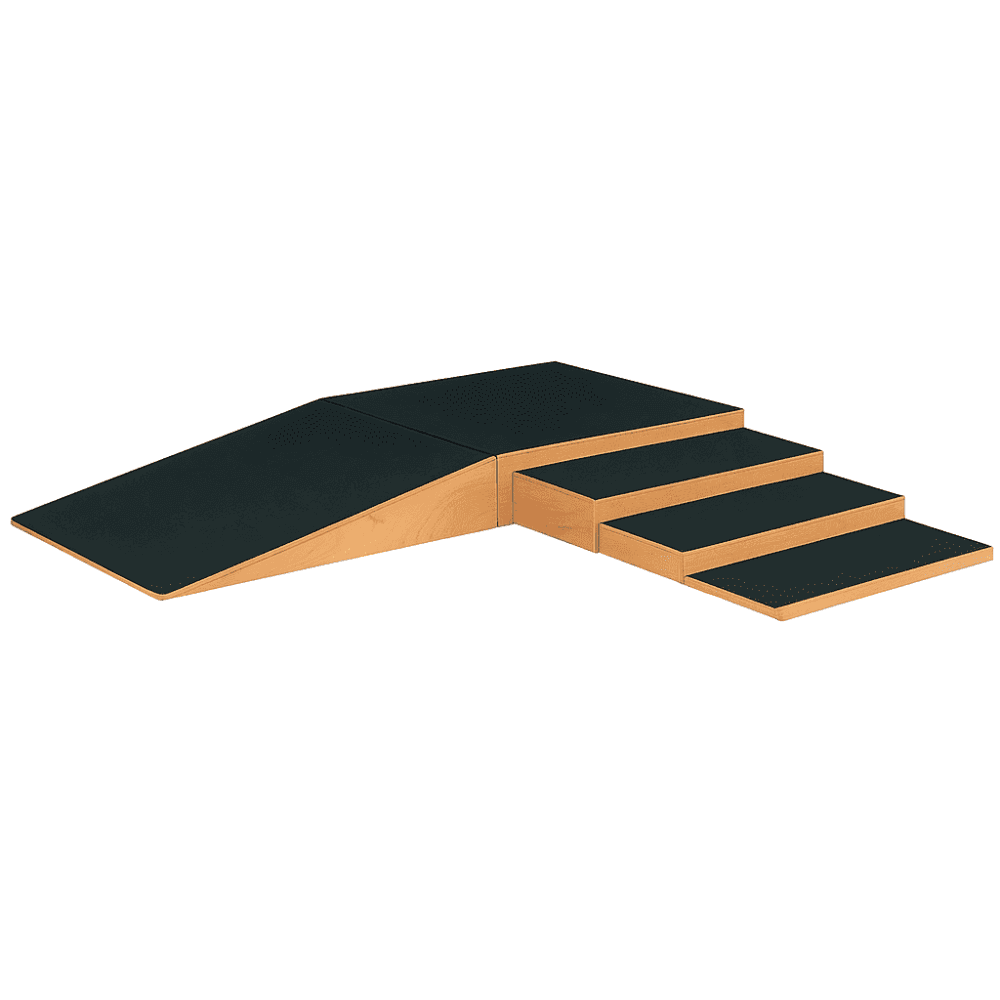
Straight Rehabilitation Training Stairs
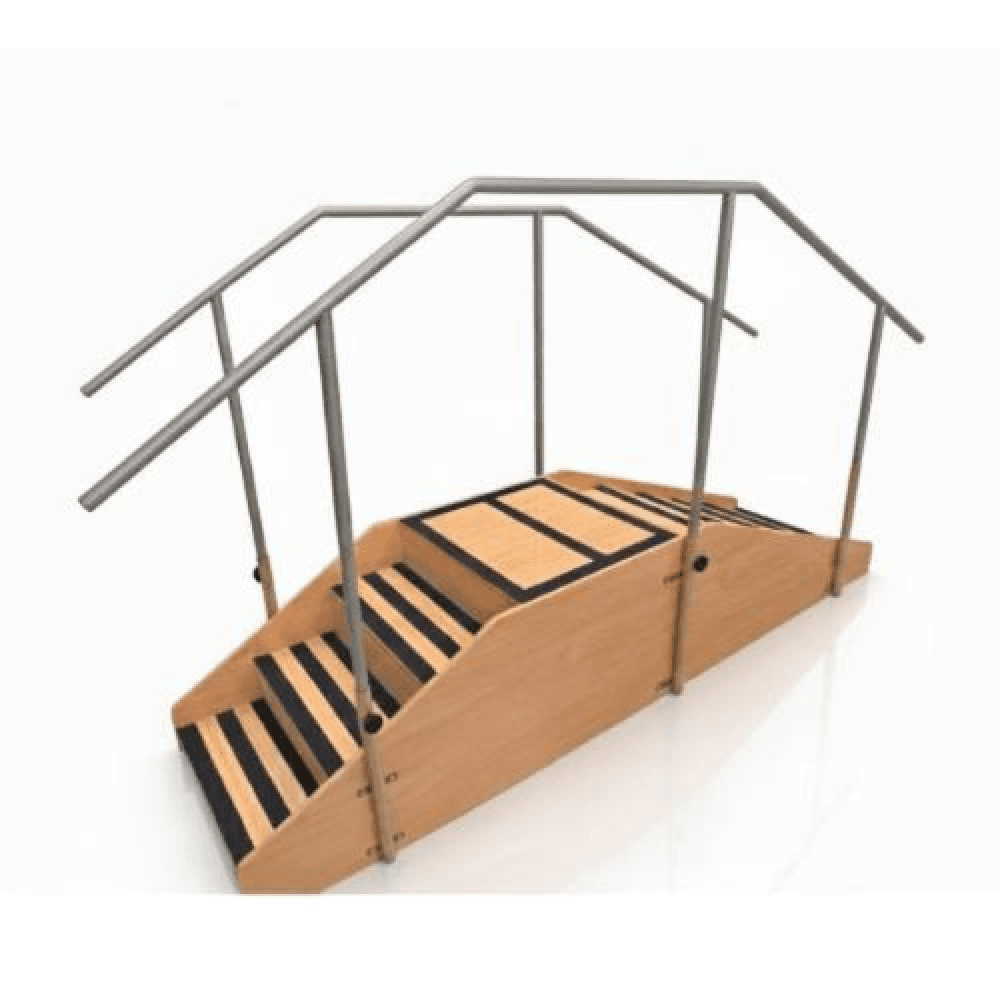
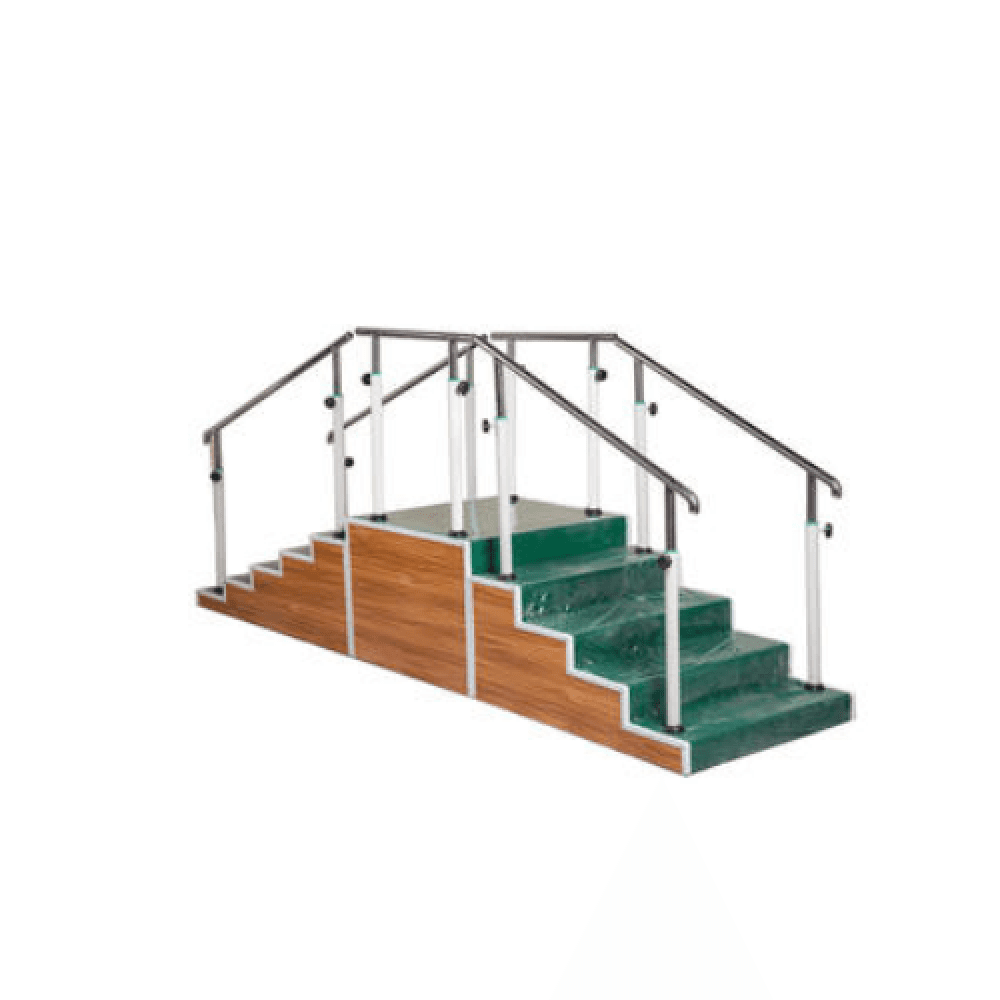
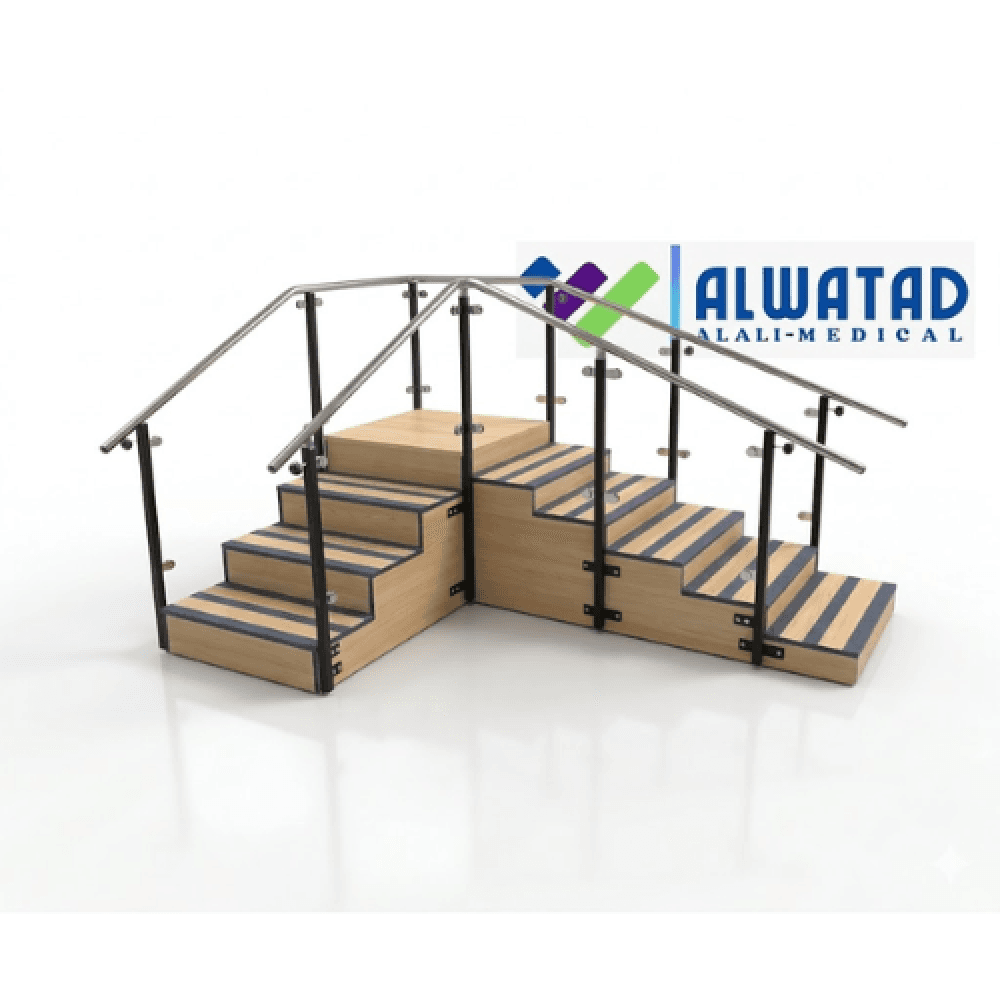
Straight rehabilitation stairs designed for physical therapy and motor recovery. Used to train safe, progressive stair ascent and descent after injuries, surgeries, stroke, or other neurological conditions. Supports balance and coordination training and strengthening of lower-limb muscles within a controlled clinical setting.
Key features
- Professional design for gait and stair training.
- Training for both ascending and descending stairs.
- Dual, adjustable side handrails to accommodate different patients.
- Anti-slip step surfaces for stability.
- Robust metal frame suitable for intensive use.
- Central landing platform to facilitate practice and safe pauses.
- Suitable for hospitals and physical therapy centers.
- Easy to clean and built for daily use.
Applications
- Post-operative rehabilitation after knee and hip surgery.
- Training following fractures.
- Rehabilitation after stroke.
- Training for spinal cord injury patients.
- Improving balance and gait.
- Strengthening lower-limb muscles.
- Physical therapy and neurorehabilitation programs.
- Occupational therapy.
- Safe mobility training for older adults.
Benefits
- Improves ability to go up and down stairs.
- Enhances confidence during movement.
- Helps reduce risk of falls.
- Improves balance and neuromuscular coordination.
- Strengthens leg and hip muscles.
- Simulates daily activities in a safe therapeutic environment.
- Supports post-injury and post-surgery rehabilitation plans.
Technical specifications
- Type: Straight rehabilitation stair trainer.
- Intended use: Physical therapy and rehabilitation.
- Frame: High-strength steel.
- Steps: Anti-slip surface.
- Handrails: Dual; adjustable (in many models).
- Environment: Indoor use in hospitals, clinics, and rehabilitation centers.
- Design: Suitable for gait training and stair ascent/descent practice.
- Platform: Central landing.
- Country of manufacture: Saudi Arabia.
Suitable for
- Physical therapy centers.
- Rehabilitation hospitals.
- Neurorehabilitation centers.
- Motor rehabilitation centers.
- Sports medicine facilities.
- Elderly care facilities.
- Universities and health colleges.
- Specialized physical therapy clinics.