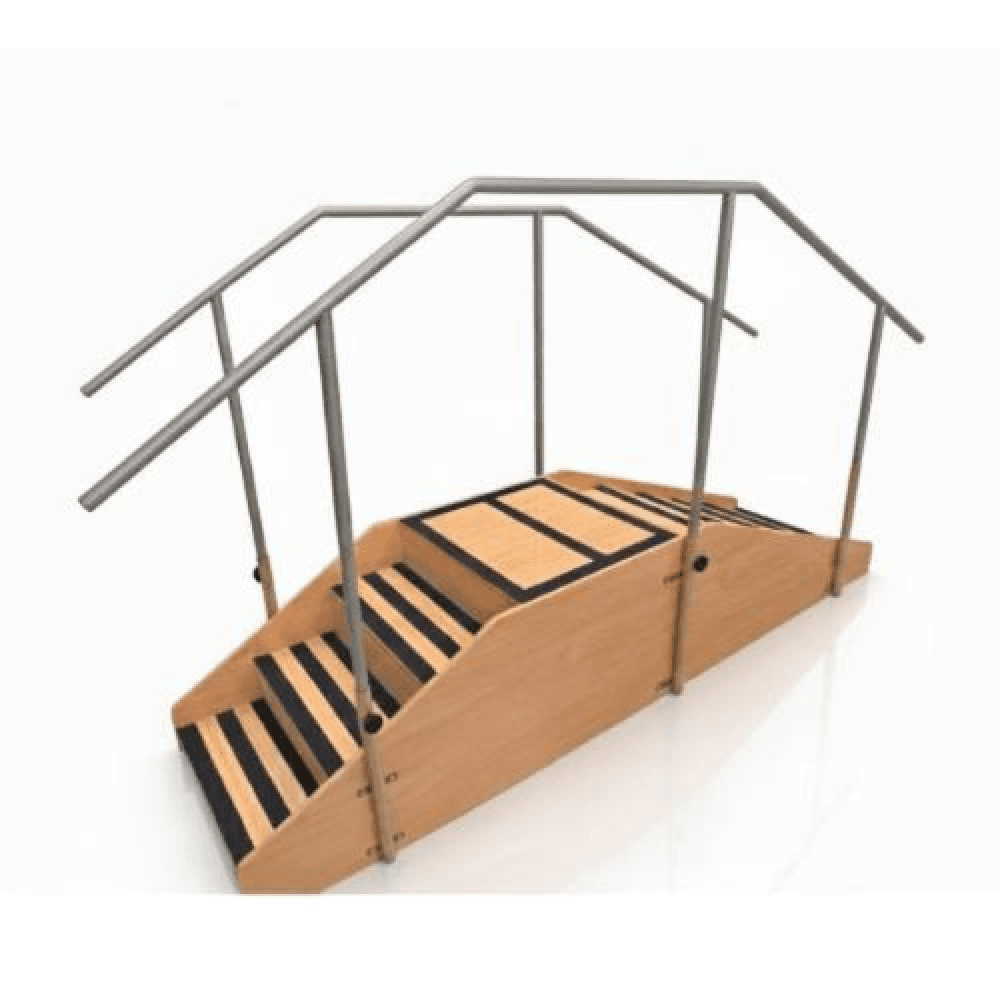
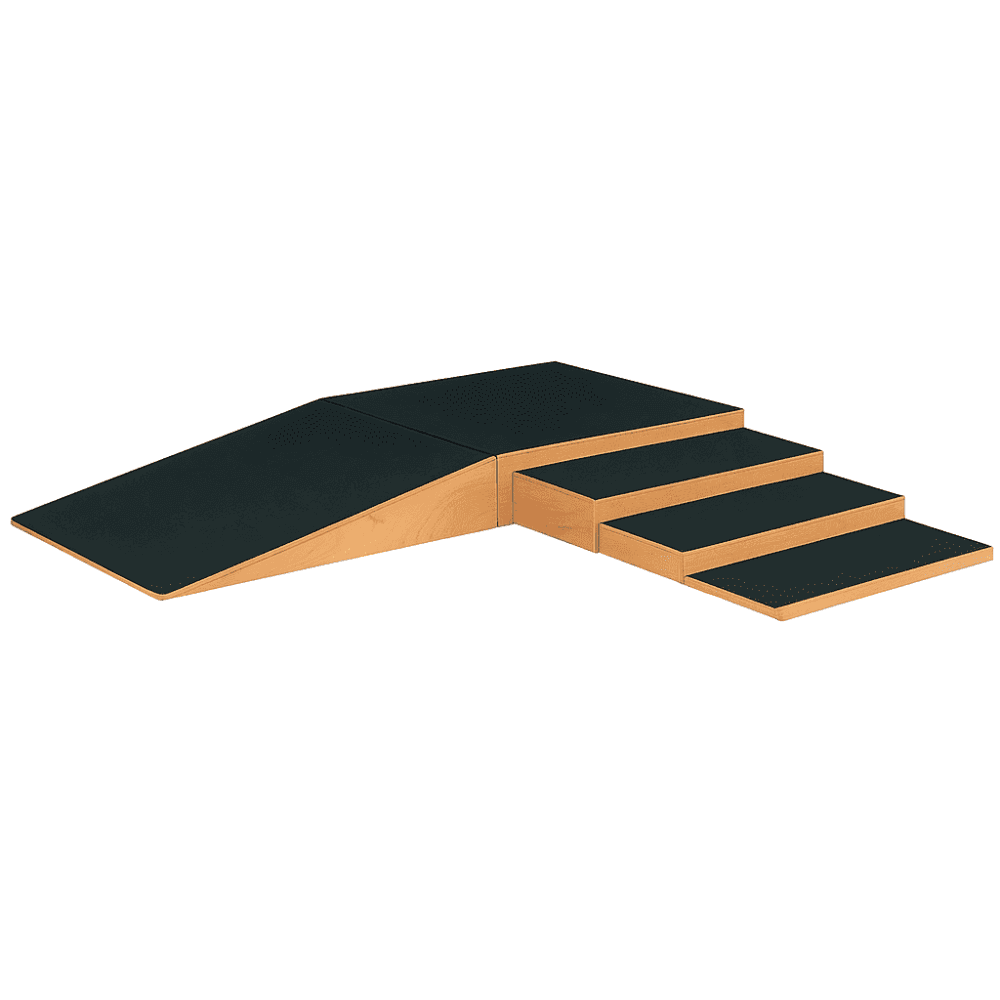
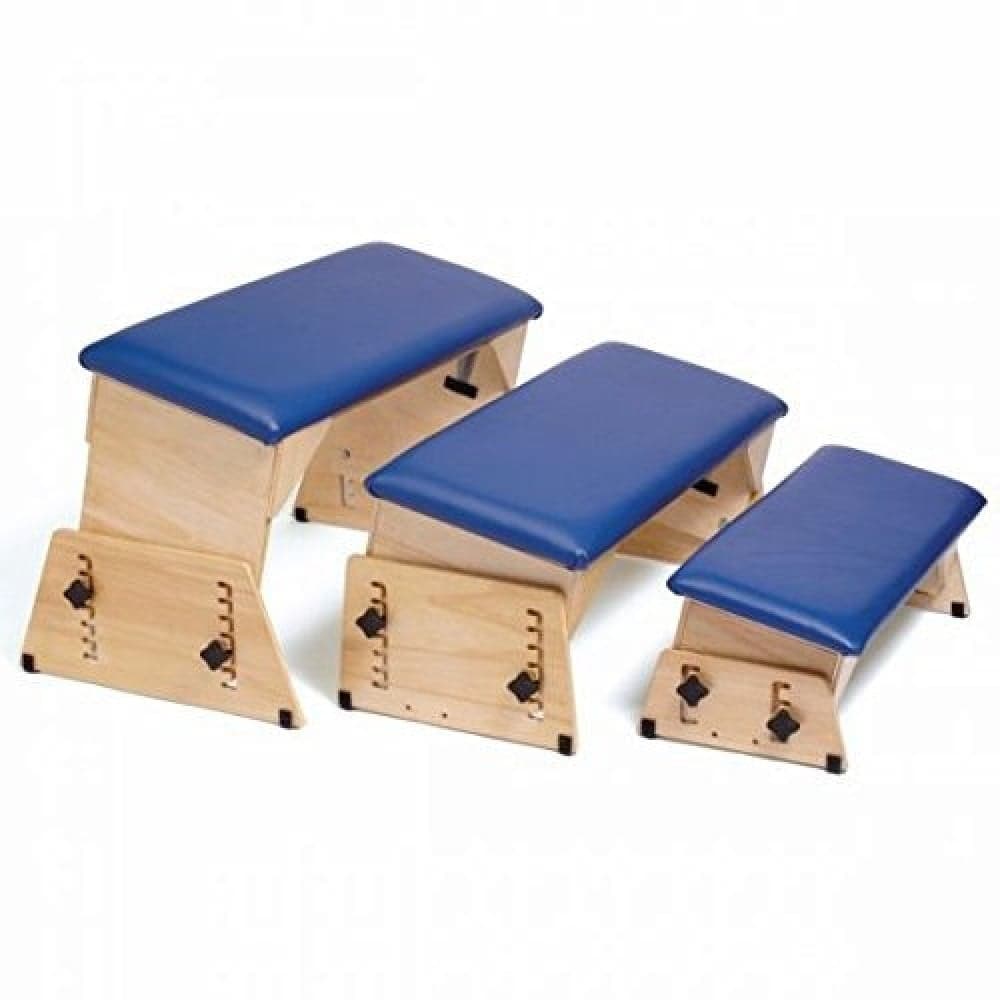
Nested Therapy Steps
Nested Therapy is a relatively recent physical therapy approach intended to enhance treatment effectiveness and reduce the time required to reach defined goals. It integrates multiple therapeutic techniques within a single session to address the condition from several angles at once.
Training and treatment steps
- Comprehensive assessment:
- Medical history: collect information on past diseases, injuries, and surgeries.
- Physical examination: assess joint range of motion, muscle strength, sensation, and balance.
- Special tests: perform targeted tests to evaluate nerve, muscle, and joint function.
- Treatment planning:
- Goals: define the objectives to be achieved through therapy.
- Therapeutic techniques: select methods appropriate to the case, such as manual therapy, therapeutic exercises, electrotherapy, ultrasound therapy, and others as indicated.
- Number of sessions: determine the sessions needed to meet the defined goals.
- Plan implementation: the plan is carried out by a qualified physical therapist, taking into account the patient’s condition and tolerance.
- Follow-up and evaluation: monitor progress and evaluate response periodically, adjusting the plan as needed.
Examples of techniques that can be combined
- Manual therapy: used to improve joint mobility and relieve pain.
- Therapeutic exercises: used to strengthen muscles and improve range of motion and balance.
- Electrotherapy: used to relieve pain and stimulate muscles.
- Ultrasound therapy: used to relieve pain and inflammation.
Potential benefits
- Greater effectiveness by addressing multiple aspects simultaneously.
- Less time to achieve intended results by combining several techniques in one session.
- Improved outcomes through faster and more comprehensive goal attainment.
Industry