LogoLogo
HomeOffersProductsBrandsQuotationContactAbout

Best Dental Portable X-Ray Buying Guide for Dental Clinics

Best Dental Portable X-Ray Buying Guide for Dental Clinics

Best Dental Portable X-Ray Buying Guide for Dental Clinics

03 Jan 2026

Portable Dental X-ray Units Overview (2025)

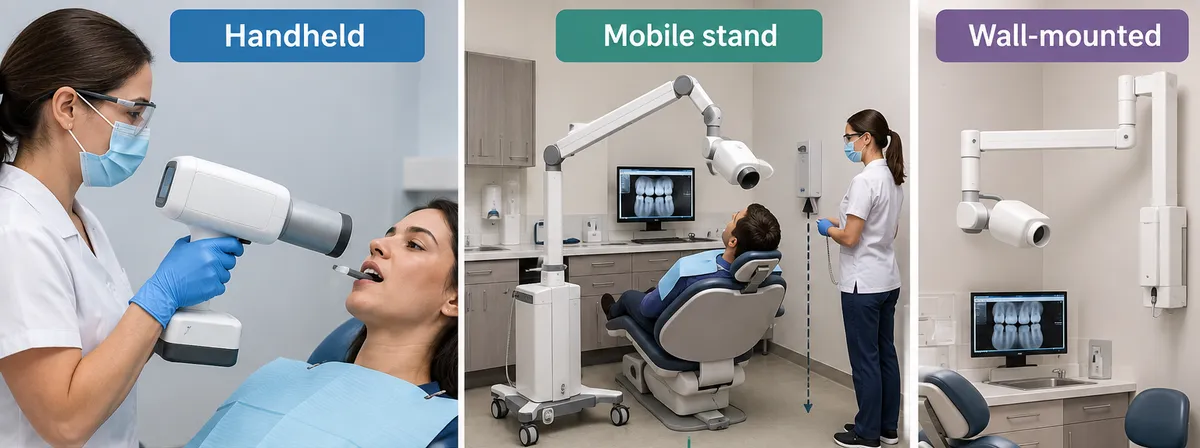
Portable handheld X-ray units, like the new Planmeca ProX™ GO, allow dental professionals to take radiographs chairside, improving workflow and patient comfort.

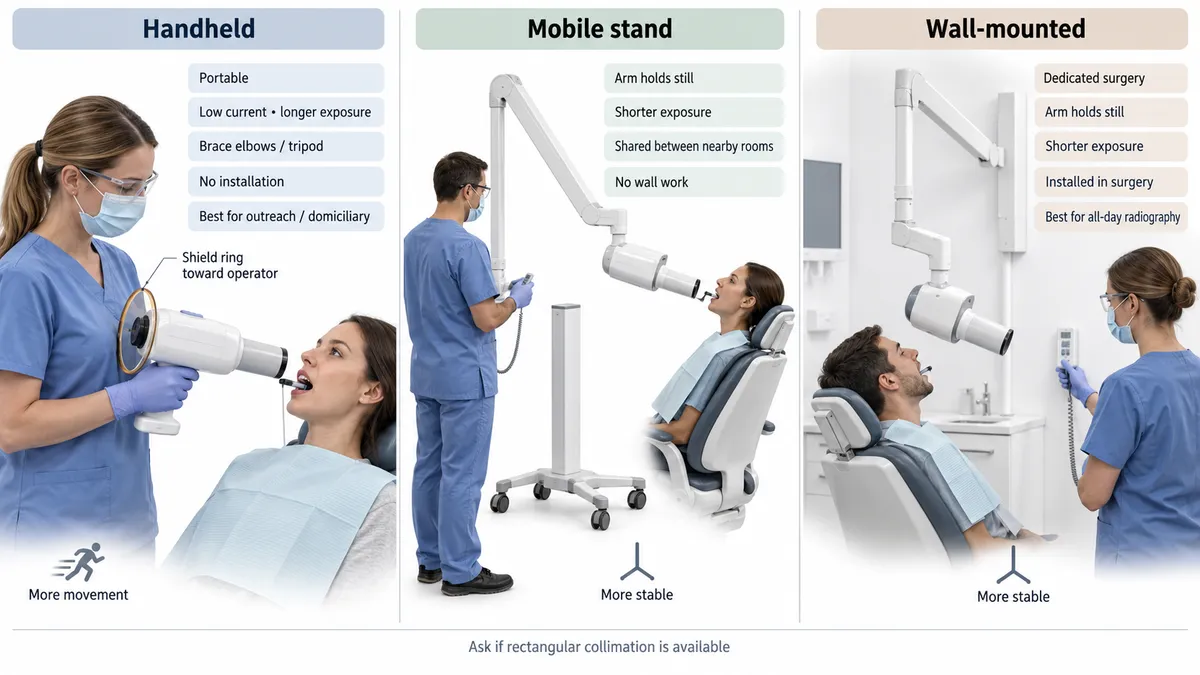
Portable X-ray machines have become invaluable in dental clinics, mobile practices, and outreach settings. Unlike wall-mounted units, handheld devices provide freedom to move between operatories or off-site locations, bringing imaging directly to the patient.

This guide reviews critical factors and compares the top portable X-ray devices on the market, outlining their key features, pros, and cons to help you select the best dental portable X-ray for your clinic.

Key Factors to Consider in a Portable X-ray

Image Quality & Output

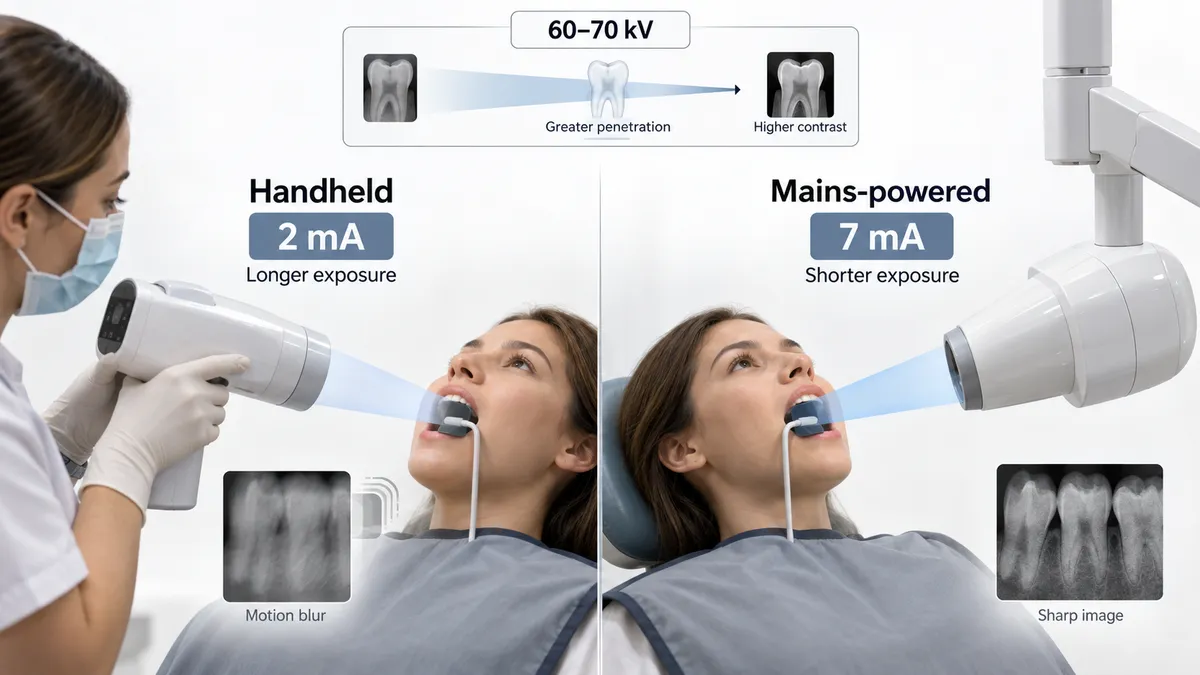
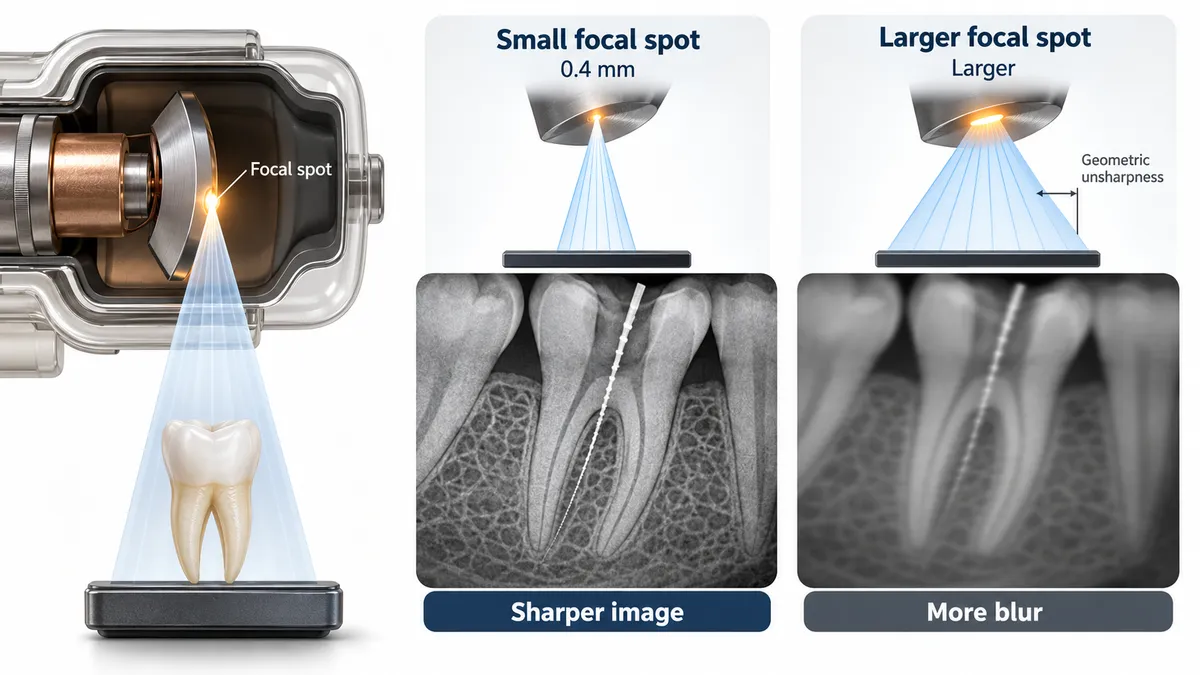
Tube voltage/current (kV/mA) and focal spot size affect image clarity. Higher output (e.g., 70kV/2mA) provides clearer images with shorter exposure times, ideal even for dense areas. Devices like Genoray ZEN-PX4 (70kV, 2mA, 0.4mm focal spot) offer high-resolution imaging comparable to wall-mounted units like NOMAD.

Safety & Radiation Protection

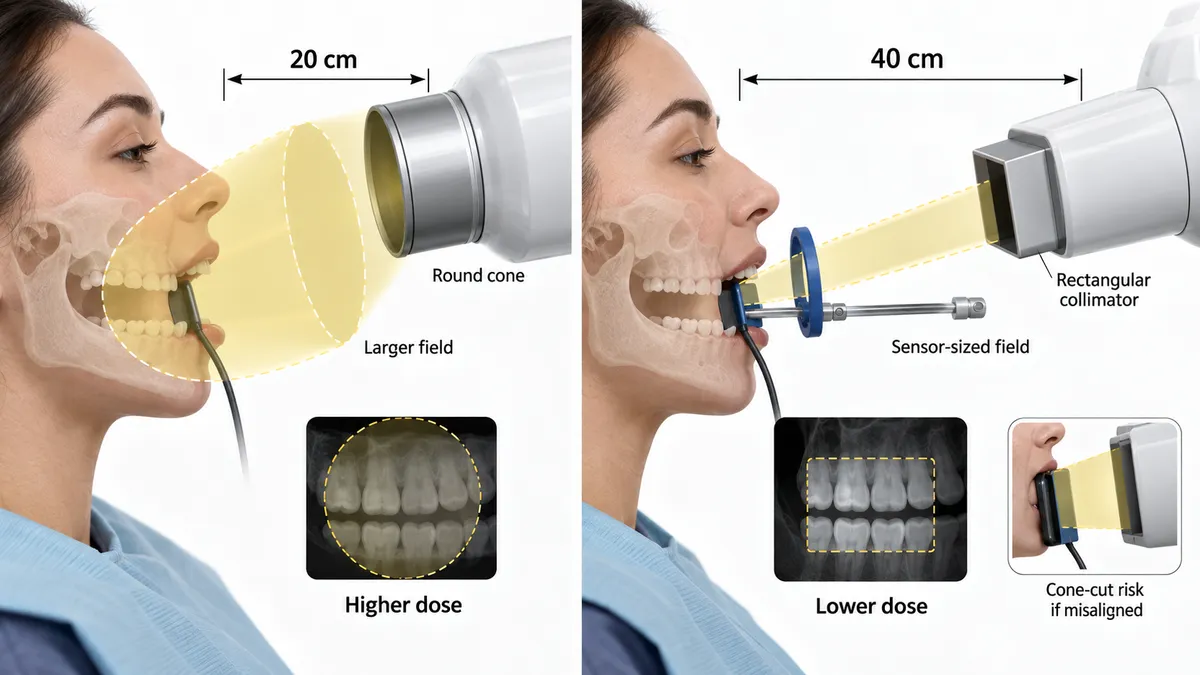
Ensure the unit has internal shielding, scatter shields, regulatory approval, and verified radiation-dose safety. For example, NOMAD units have leakage radiation levels comparable to standard devices, meeting occupational safety standards.

Portability & Ergonomics

Devices should be lightweight, balanced, and ergonomic. Examples include Vatech EzRay Air P (~4.7 lbs/2.1 kg) and NOMAD Pro 2 (~5.5 lbs). Consider form factor, grip style, display clarity, and fatigue-reducing features like handgrips or shoulder straps.

Battery Life & Power

Choose units offering substantial battery life for continuous use. Woodpecker AiRay Pro supports approximately 1,500 exposures per charge, Planmeca ProX GO offers around 300, while NOMAD Pro 2 provides just over 100 exposures. Fast-charging or swappable batteries are beneficial in high-volume settings.

Ease of Use & Workflow Integration

Look for pre-programmed settings, simple controls, and compatibility with sensors or imaging software. Advanced models like iRay Canis and Maven include touchscreen interfaces, Wi-Fi connectivity, and Android-based operation. Intuitive, camera-style interfaces reduce training time and improve workflow efficiency.

Durability, Maintenance & Support

Durable construction, warranty length, and brand reliability are important. Devices like Eighteeth HyperLight offer long warranties, and models such as the Vatech EzRay Air use advanced tube technologies to reduce wear. Consider availability of spare parts, training, and service support when choosing a unit.

Cost & Value

Prices range from about $1,000 to $9,000. Premium models like KaVo NOMAD Pro 2 are at the higher end due to robust performance and build quality. Mid-range options like Digital Doc XTG or Vatech EzRay Air cost around $2,000–$3,000, while entry-level models may be priced below $1,000 but might lack durability or key features. Consider total cost of ownership including accessories and support.

With these considerations, you can confidently select the ideal portable dental X-ray for your practice. Below, we review leading models from reputable brands, detailing their specifications, advantages, and potential drawbacks.

Top 10 Portable Dental X-Ray Units (2025 Edition)


1. KaVo DEXIS NOMAD Pro 2

Overview

The NOMAD Pro 2 is widely regarded as the gold standard in handheld X-ray technology. It is popular in both dental and veterinary practices due to its robust design and reliable performance. Featuring a 60–70 kV DC X-ray generator with 2.5 mA output, the NOMAD Pro 2 is cordless and handheld, providing flexibility across treatment settings.

It incorporates a built-in leaded acrylic shield at the cone and comprehensive internal shielding to protect the operator. Although it weighs approximately 5.5 lbs (2.5 kg)—heavier than some modern alternatives—it remains stable and ergonomically balanced during use. The unit consistently delivers high-quality images comparable to wall-mounted systems and has been validated by numerous independent safety studies over several years.

The removable battery pack supports about 100+ exposures per full charge. The device is packaged in a hard transport case for enhanced portability.

Pros

  • Proven Reliability & Safety: Trusted globally with a strong safety record and minimal radiation exposure for the operator.

  • Image Quality: High-frequency, constant output ensures consistent and clear imaging with reduced patient radiation. Compatible with film, PSP, and digital sensors.

  • Workflow Efficiency: Completely cordless and highly mobile, making it ideal for mobile dentistry or treating patients with limited mobility.

  • Support & Durability: Manufactured by KaVo with excellent customer service and continuous design improvements. Spare parts and accessories are readily available, and resale value is strong due to brand trust.

Cons

  • High Cost: One of the priciest handheld X-ray units, typically ranging from $8,000–$9,000 USD. May be cost-prohibitive for small practices.

  • Weight & Ergonomics: At 5.5 lbs, extended use may lead to arm fatigue. Some users find positioning a bit strenuous compared to lighter models.

  • Battery Capacity: Around 100 exposures per charge may be insufficient for high-volume settings. Frequent battery swapping might be necessary.

  • Regulatory Considerations: Use of handheld X-ray units may require additional regulatory approvals in some regions. Compliance with local regulations is essential before deployment.


2. Genoray ZEN-PX4 (Port-X IV)

Overview

The Genoray ZEN-PX4 is a high-performance portable X-ray unit from Korea, known for its strong international presence. It features one of the most powerful handheld generators available—70 kV and 2 mA output—with a 0.4 mm focal spot for clear, detailed images. Despite its performance, it remains extremely lightweight at just 3.3 lbs (1.5 kg), making it one of the lightest models in its category.

The battery capacity is impressive, offering up to 400 exposures per full charge, with a recharge time of approximately 4 hours. It also includes a sleep mode to conserve battery during idle periods. For safety, the unit is equipped with a 0.3 mm lead-equivalent backscatter shield and internal radiation shielding, and it has received FDA approval.

A standout feature is the inclusion of a tripod mount and a 25-foot remote exposure switch, enabling stationary use when needed. Genoray also offers integration with their PortView digital sensor, allowing users to plug directly into the unit or transmit images via Wi-Fi to a PC.

Pros

  • High Power, Clear Images: The 70 kV/2 mA output and 0.4 mm focal spot provide sharp, high-resolution images, even for dense bone. Performance is comparable to wall-mounted systems.

  • Ultralight & Portable: At just 3.3 lbs, the unit is very easy to maneuver, significantly reducing operator fatigue. Ideal for mobile dental units and multi-room practices.

  • Long Battery Life: With up to 400 exposures per charge, it can often last several days between recharges. Sleep mode further enhances battery efficiency.

  • Versatile Use Modes: Can be used handheld or mounted. Tripod socket and remote trigger allow stationary operation. Also includes 16GB onboard storage for image capture without a connected device.

  • Integration Capabilities: Designed for seamless use with Genoray’s sensors. Supports both direct image viewing on its LCD and wireless image transmission for streamlined workflow.

  • Safety & Approval: FDA-approved and built with effective shielding. Operator exposure is well controlled under proper usage.

Cons

  • Higher Price Tier: Falls within the mid-to-high price range. While more affordable than some premium units, it may still be costly for smaller clinics, especially when paired with the sensor bundle.

  • Availability & Support: Though globally distributed, local support may be limited in some regions. Buyers should ensure reliable vendor support and warranty coverage.

  • Limited On-Device UI: Basic LCD screen allows minimal review. For full functionality, most users will depend on external devices like laptops or tablets.

  • No Shoulder Strap: Not a major drawback, but the lack of a carrying strap could affect comfort for some users. Still, the low weight makes it manageable with a steady two-handed grip.


3. Maven Handheld X-Ray (Maven Imaging “Airtouch”)

Overview

The Maven Handheld X-ray is a distinctive all-in-one portable imaging solution. Marketed by Maven Imaging, it combines a handheld X-ray generator with an integrated Intel-based computer and touchscreen. This allows users to acquire, view, and transmit images directly from the device without relying on an external PC.

It operates at 60 kV and 2 mA with adjustable exposure times ranging from 0.03 to 1.3 seconds. The system uses a Toshiba tube with a 0.8 mm focal spot, which is slightly larger than some competitors but still sufficient for most intraoral diagnostics. A built-in laser positioning light and a hand strap enhance usability during procedures.

Battery life is solid, with approximately 300 exposures per full charge and a quick 2-hour recharge time. However, the integration of a full PC and display adds weight, making it heavier than other handheld options—likely exceeding 5–6 lbs. The device is typically offered as a bundle with a wireless DR sensor and imaging software, with the total package priced significantly higher than typical handheld units.

Pros

  • All-in-One Digital Workflow: The built-in PC and pre-installed software enable instant image capture and viewing on the device itself. Perfect for mobile clinics or fast-paced environments.

  • Wireless Connectivity: Integrated Wi-Fi allows images to be uploaded directly to the cloud, emailed, or shared over a network, eliminating the need for external cables or hardware.

  • Good Battery Capacity: Delivers around 300 exposures per charge. The battery is quick to recharge and can be swapped for extended use.

  • Solid Build & Features: The unit features a durable metal chassis, laser aiming beam, USB ports, and a hand strap for better handling and safety.

  • High Frequency X-Ray Output: With 60 kV DC and 2 mA, the system provides consistent, high-quality radiographic output suitable for all intraoral applications. It meets international safety standards with CB Test certification.

Cons

  • Very Expensive (with Panel): The full package, including sensor and software, is significantly more expensive than most handheld units. It may not be cost-effective for clinics that already own digital imaging equipment.

  • Bulky & Heavy: The integrated PC and screen add weight. While exact specs are not public, users report the device is notably heavier than most competitors, making prolonged handheld use tiring.

  • Complexity: Managing a full Windows environment within a handheld device can introduce complications. Software updates, system errors, or crashes may interfere with clinical workflow if not managed properly.

  • Limited Track Record: As a relatively new entrant to the market, long-term performance and durability remain to be seen. Buyers should verify warranty coverage and post-purchase support availability.


4. Woodpecker AiRay Pro

Overview

The Woodpecker AiRay Pro is a high-capacity, high-output handheld X-ray device from a manufacturer known for dental imaging and scaling systems. It delivers up to 70 kV and 3 mA (210 W), placing it among the most powerful units in its class. This power allows for shorter exposure times and crisp image quality, aided by a Canon 0.4 mm focal spot X-ray tube.

A major highlight is its battery system: a 14.8V 15,000 mAh lithium battery capable of over 1,500 exposures per charge. Even a 5-minute quick charge can yield over 100 images, making it exceptionally convenient in busy clinical settings. The unit also features a 2.8″ color touchscreen for intuitive parameter selection.

It weighs approximately 6.6 lbs (3.0 kg including the backscatter shield), which is on the heavier side but justified by its durable build and battery capacity. The AiRay Pro includes a removable shield ring, shoulder strap, and is FDA 510(k) cleared in the U.S. It comes with a 2-year manufacturer warranty.

Pros

  • Powerful & Efficient: With a 70 kV / 3 mA output, the unit allows for ultra-fast exposures with minimal motion blur. Imaging performance remains stable even at challenging angles, and patient dose stays low due to brief exposure times.

  • Incredible Battery Life: The massive 15,000 mAh battery supports around 1,500 exposures per full charge. Quick-charge functionality (5 minutes for 100+ shots) ensures minimal workflow interruption.

  • Touchscreen Interface: A 2.8″ color display offers intuitive control over settings like patient type and tooth region. The interface is user-friendly and reduces setup time.

  • Robust Build & Safety: Built with both internal and external shielding, the unit minimizes radiation leakage. It is FDA-cleared and comes with a strong warranty and local distributor support.

  • Quick Standby Use: The fast-charging system means clinicians can briefly top up the battery and continue working without significant delays—ideal for high-volume clinics.

  • Affordable (on Promotion): While the original price was around $5–6k, promotional pricing as low as ~$2.4k makes this model an excellent value for its performance level.

Cons

  • Heavier Device: At approximately 6.6 lbs with the shield, the device may be tiring to hold for extended periods. The included shoulder strap helps, but two-handed operation is recommended for stability and comfort.

  • Newer Market Entrant: While Woodpecker is a well-known dental brand, its X-ray systems are relatively new in Western markets. Long-term durability is still being evaluated.

  • Shield Disc Size: The included backscatter shield is a circular ring with a smaller coverage area than rectangular shields. Staff must be trained to position it correctly for optimal radiation protection.

  • Availability of Parts: Replacement components, especially the proprietary battery, may only be available through authorized dealers and can be costly. Planning ahead for replacements is advisable.

  • Screen Vulnerability: The touchscreen adds convenience but introduces a point of potential failure if dropped or mishandled. Users should take care to avoid damaging the display during use or transport.


5. Dentalaire DHX-70H

Overview

The Dentalaire DHX-70H is a lightweight, portable handheld X-ray unit originally designed for veterinary dentistry but equally suitable for human dental applications. It operates at a fixed 70 kV and 2 mA using a high-frequency DC X-ray generator, and features a compact, ergonomic design weighing only 4.4 lbs (2.0 kg).

The unit includes a graphic LCD screen and simple controls that allow exposure times between 0.05 and 1.0 seconds in precise 0.01-second increments. With a 0.4 mm focal spot, the system delivers clear, diagnostic-quality images while keeping radiation dose low. Its rechargeable internal battery supports up to 12 hours of use on a full charge, making it ideal for daily clinical workflows.

Designed for both digital sensors and traditional film/plates, the DHX-70H includes internal shielding to prevent radiation leakage and comes with a sturdy neck strap for stability. Though commonly bundled in portable vet kits, the unit is well-suited to general dental practices seeking a compact and reliable imaging tool.

Pros

  • Lightweight & Ergonomic: At just 4.4 lbs, this unit is one of the lightest in its category. Its balanced form factor and included neck strap help reduce operator fatigue, making it ideal for longer sessions or multi-user settings.

  • High Image Quality: The combination of 70 kV output and a 0.4 mm focal spot yields clear, stable radiographs. It works well with both digital sensors and conventional film, and the DC generator ensures consistent image quality.

  • Simple Operation: The user interface features an easy-to-read LCD screen and a one-button navigation dial. Exposure settings can be quickly selected, often with icon-based presets, allowing for a fast learning curve and efficient use by staff.

  • Good Battery Performance: The internal rechargeable battery provides up to 12 hours of operation per charge. While the number of exposures isn't specified, users report all-day usage without needing to recharge.

  • Rugged & Safe: Built for veterinary clinics, the device is durable and impact-resistant, with a sealed housing and solid-state tube for protection. Radiation shielding is comprehensive, minimizing scatter to the operator and ensuring safety compliance.

Cons

  • Limited Distribution (Veterinary Focus): Primarily marketed to veterinary clinics, this unit may be less accessible through standard dental supply channels. Buyers might need to work directly with Dentalaire or specialized dealers.

  • No Fancy Features: The DHX-70H is a straightforward device without modern extras like touchscreen controls, built-in memory, or wireless image transfer. Users looking for tech integration may find it lacking.

  • Battery Non-Swappable: The sealed battery design means it cannot be quickly swapped like some competitors. If power runs out during a procedure, the unit must be recharged before resuming use. The battery warranty is shorter than the unit warranty.

  • Exposure Range Limit: The maximum exposure time of 1.0 second may not be sufficient for extremely dense imaging needs, although it typically covers all intraoral diagnostics when using digital systems.

  • Primarily Direct Sale: Maintenance and repairs may require shipping the unit to Dentalaire or authorized service providers. Local support may be limited, though the simple build generally means fewer issues.


6. Digital DOC XTG (Xray2Go)

Overview

The XTG by Digital Doc, also known as “Xray2Go Mini,” is a compact, American-made handheld X-ray unit designed for efficiency and portability. It operates at a fixed 60 kV with approximately 2 mA output using a DC generator, ensuring consistent imaging performance. Weighing around 5 lbs in its latest version, it features a shoulder strap for added stability and comfort during use.

The unit’s intuitive design mimics a camera, with a top display and push-button controls. Its rechargeable battery delivers approximately 150 exposures per charge. Pre-set exposure programs for different teeth and receptor types make the device easy to operate with minimal training. The system is compatible with all major dental sensor brands and imaging software via TWAIN drivers.

With its quick operation and chairside mobility, the XTG is ideal for full-mouth series or multi-shot workflows. It includes internal shielding and a fixed backscatter shield for operator safety. Although it lacks advanced features like image preview or storage, it provides a fast, cost-effective solution for general intraoral imaging.

Pros

  • Easy to Use, Fast Workflow: The XTG speeds up imaging sessions by allowing the operator to stay chairside. The interface is straightforward, with pre-programmed exposure times and a “point-and-shoot” operation that reduces training time and workflow interruptions.

  • Decent Battery Capacity: Around 150 exposures per charge are sufficient for most daily schedules. The battery is removable, so backup packs can be swapped in if necessary.

  • Lightweight & Portable: Though not the lightest on the market, the XTG is compact and well-balanced. The included shoulder strap helps distribute weight and reduce operator fatigue between exposures.

  • Broad Software Compatibility: The device integrates seamlessly with major dental imaging platforms. X-rays taken appear directly in your acquisition software interface, streamlining the imaging process for staff.

  • Good Value: Priced around $2,500–$3,000, the XTG offers an excellent balance of quality, safety, and affordability. It’s a reliable choice for general practices looking for a solid performer without overpaying. Customer support and training resources are also well-reviewed.

Cons

  • Lower kV vs. Some Units: At 60 kV, the unit has slightly less penetrating power than some competitors operating at 65–70 kV. While it still performs well, very dense areas may require slightly longer exposures.

  • Battery Life Not Top Class: While 150 exposures per charge is decent, newer models offer significantly more. If you're performing high-volume radiography or working remotely all day, a second battery may be necessary.

  • Shield is Fixed: The unit uses a fixed circular backscatter shield. While effective, it’s not swappable for alternate shapes or sizes like some premium models. Proper positioning is essential for optimal protection.

  • No Onboard Image Storage/Preview: The XTG lacks internal memory or a preview screen. It must be used with external imaging software to review results, making it less suitable for fully untethered workflows.

  • Maintenance/Warranty: Typically covered by a one-year warranty, any required servicing must be sent back to the manufacturer. Some users have reported wear on the charging cradle or connectors over time, though these issues are minor and repairable.


7. iRay Canis 014D07

Overview

The iRay Canis 014D07 is an advanced handheld X-ray system that combines a high-frequency generator with a built-in 7-inch Android-powered touchscreen. It operates at 70 kV and 2 mA with a 0.4 mm focal spot, delivering clear and consistent diagnostic images. This unit allows users to view and adjust images directly on the large screen, making it a self-contained imaging system.

The Canis includes onboard patient management and image enhancement features, such as contrast adjustment, zoom, and inversion. It supports Wi-Fi and USB connectivity for data transfer and is designed to operate independently of external computers. The device weighs approximately 5.5 lbs (≤2.5 kg) and features a replaceable battery system to support extended use. Safety is ensured through internal lead shielding and a detachable backscatter shield.

Designed for both dental and veterinary use, the Canis offers a modern, mobile workflow with smart features uncommon in most handheld X-ray units. It's ideal for mobile dentistry, outreach programs, and clinics seeking a more digital-forward solution.

Pros

  • Large Touchscreen & Smart Features: The 7″ LCD interface allows intuitive control and immediate image preview. Users can adjust images in real time and even show results to patients chairside for education and consultation.

  • Integrated Workflow: The system includes onboard image storage and patient management software, enabling a completely laptop-free workflow. It supports multi-language settings and wireless connectivity, making it perfect for mobile or temporary setups.

  • High Power X-Ray: The 70 kV / 2 mA output and 0.4 mm focal spot meet all standard intraoral diagnostic needs. With up to 2.0 seconds of exposure range, it’s suitable for both analog and digital sensors.

  • Replaceable Battery: The battery can be swapped out, allowing extended operation across long clinical days. While official shot count isn’t specified, typical use reportedly spans a full workday.

  • Ergonomic Design for Weight: Though slightly heavier than some models, the Canis is balanced for two-handed use and features a design that enhances handling and positioning. Some versions may include an angle display to assist with accurate alignment.

Cons

  • Complex and Tech-Heavy: With an Android OS and built-in software, the Canis requires user training. There is potential for technical issues or software updates, which may not suit all clinical teams.

  • Higher Cost: Positioned in the premium price tier, especially when bundled with iRay sensors. Practices that don’t need on-device image preview may find more economical options elsewhere.

  • Battery Life Uncertain: No published shot count. The touchscreen likely increases power consumption, meaning it may not match ultra-long-lasting units. A backup battery is advisable for long shifts.

  • Bulkier Form Factor: The large screen adds bulk, which can make intraoral positioning slightly more difficult in tight spaces. The screen should be handled with care and protected from scratches or impact.

  • Limited Market Presence: iRay’s dental brand recognition is still growing, especially in Western markets. Buyers should ensure they purchase from an authorized dealer and verify warranty and support availability.


8. Eighteeth HyperLight (Perlong JYF-10P)

Overview

The Eighteeth HyperLight is a compact, high-efficiency handheld X-ray device developed in collaboration with Perlong. It operates at 65 kV and 2.5 mA, offering a slightly higher tube current than standard models, which can allow for quicker exposures. With a 0.4 mm focal spot, it produces clear, high-resolution images suitable for intraoral diagnostics.

The device weighs only 1.8 kg (approximately 4.0 lbs) without the shield and around 5.8 lbs with the shield attached, making it one of the most maneuverable full-power handheld X-ray units available. Its lithium battery (14.8V, 4-cell 2500 mAh configuration) provides up to 500 exposures per full charge and recharges in roughly 3 hours.

Safety is a key feature, with a dual-layer leaded cone shield and a removable backscatter ring. A physical exposure lock prevents unintended activation by requiring a specific button combination to arm the device. It features preset operating modes accessible via simple icon-based controls and is FDA-approved for clinical use in most regions. Its aggressive pricing makes it a highly attractive option for budget-conscious practices.

Pros

  • Very Lightweight: At just 4 lbs without the shield, the HyperLight is among the lightest in its category. The ergonomic design makes one-handed operation easy and reduces fatigue, even with the shield installed.

  • High Battery Capacity: Capable of 400–500 exposures per charge, the unit can easily support several days of use without recharging—ideal for mobile clinics or busy practices.

  • Fast Recycle & Duty Cycle: The electronics allow near-continuous use with minimal cooldown between shots. You can capture multiple images in quick succession without delay.

  • Safety-Conscious Design: The dual-layer shielding and physical locking mechanism ensure low radiation exposure and prevent accidental firing—especially valuable in training environments.

  • Affordable & FDA Approved: The unit delivers premium-level specifications at a significantly lower price than competing brands, with regulatory clearance and warranties available through authorized distributors.

Cons

  • Limited Brand Recognition: Eighteeth is still gaining traction in some global dental markets. Some clinicians may hesitate due to brand unfamiliarity, though early adopters report favorable outcomes.

  • State Restrictions in US: Certain states may not yet approve this model for use, so it’s important to verify local compliance before purchase. These limitations may be temporary as certification expands.

  • Plastic Build: To achieve its light weight and low cost, the HyperLight uses a plastic outer shell. While durable under normal use, it may be more vulnerable to impact damage if dropped.

  • Battery Replacement Logistics: The battery is built-in rather than swappable, so servicing or replacing it may require sending the unit in. Warranty coverage on the battery is also typically shorter than for the unit itself.

  • Distributor Support: Product support varies by distributor. Buyers should ensure they purchase from a seller that provides full technical support and honors warranty agreements.

9. Planmeca ProX™ GO

Overview

The Planmeca ProX GO is the company’s first handheld X-ray unit, introduced in 2025. Positioned at the premium end of the market, it combines Planmeca’s acclaimed image quality with the freedom of a cordless design. Operating at 70 kV and 3 mA, it delivers some of the highest output available in a handheld device, using a precise 0.3 mm focal spot for crystal-clear imaging.

Weighing just over 2.0 kg (about 4.4 lbs), it is exceptionally light for its power class. The device is ergonomically designed, sleek, and balanced for ease of use. It features intuitive controls and integrates seamlessly with Planmeca’s Romexis software suite, allowing fast image capture and effortless digital workflow integration. With a lithium battery supporting up to 300 exposures per charge, and strong internal/external radiation shielding, the ProX GO is built for performance, safety, and efficiency.

The device is ideal for clinics already using Planmeca sensors or software, and comes backed by the company’s robust global service and support network. It is expected to be priced in the high-end tier, catering to professionals who want cutting-edge imaging in a mobile format.

Pros

  • Outstanding Image Quality: With 70 kV / 3 mA output and a fine 0.3 mm focal spot, the ProX GO produces sharp, detailed images that rival wall-mounted units. The high current enables fast exposures, reducing motion artifacts and patient dose.

  • Lightweight & Ergonomic: Weighing just over 2 kg, the device is easy to maneuver and use throughout the day. Its sleek design reduces bulk and helps minimize operator fatigue.

  • Fast Workflow & Integration: Seamless pairing with Planmeca’s Romexis software and sensor systems allows quick acquisition and automatic syncing to patient records. Even without full integration, it offers streamlined usability and preset modes.

  • Battery and Sharing Efficiency: With approximately 300 exposures per charge, it supports a full day's use. The design allows easy sharing across multiple operatories, reducing the need for multiple fixed X-ray units.

  • Safety & Compliance: Equipped with both internal shielding and a high-quality backscatter disc, the ProX GO is designed to meet all radiation safety standards. The unit reflects Planmeca’s ALARA-focused engineering approach.

  • Build Quality & Support: Manufactured by Planmeca, the ProX GO benefits from proven reliability, excellent build quality, and dependable technical support, providing long-term peace of mind for buyers.

Cons

  • Premium Price: As a top-tier device, the ProX GO is priced higher than most handheld competitors. While worth it for those seeking premium quality, it may be overkill for smaller practices with modest imaging needs.

  • Just Launching (New Product): Released in 2025, the device has limited field usage. While it’s built on Planmeca’s experience, real-world reliability feedback is still emerging.

  • Limited Availability Initially: Initial release focuses on the U.S., with global rollout expected to follow. Availability might be restricted in some regions at launch, with potential wait times or import requirements.

  • Integration Dependency: While the unit works independently, its full value is realized when used within the Planmeca ecosystem. Clinics not already using Planmeca software or sensors may find fewer benefits for the price.

  • Theft/Loss Concerns: As a high-value portable device, extra care must be taken to secure and track the unit. Portable X-rays can be misplaced or stolen more easily than wall-mounted units, so appropriate clinic protocols are recommended.

10. Vatech EzRay Air Portable (EzRay Air P)

Overview

The Vatech EzRay Air P is a highly advanced handheld X-ray device that leverages carbon nanotube (CNT) technology to reduce weight and improve efficiency. Weighing between 1.8–2.1 kg (approximately 4.0–4.7 lbs), it is one of the lightest full-featured portable X-rays available. The CNT source not only makes it lighter but also allows for faster recovery between exposures due to reduced heat generation.

The device outputs 65 kV and 2.5 mA with a 0.4 mm focal spot, delivering image quality comparable to traditional wall-mounted systems. It features a simple user interface with a dial and physical buttons, plus a built-in angle sensor to assist with precise alignment. With a 21.6V battery capable of supporting approximately 200+ exposures per charge, it is suitable for a full day of typical use. It comes with a double-layer scatter shield and a shoulder strap for safety and comfort.

Although it integrates best with Vatech’s own sensors and imaging suite, the EzRay Air P is also compatible with other systems. It is FDA-approved and priced in the mid-to-high range, making it ideal for clinics prioritizing clinician comfort, image quality, and efficient workflow.

Pros

  • Ultra-Light & Easy Handling: Weighing under 5 lbs, the EzRay Air P is ergonomically designed for easy positioning and reduced arm fatigue. Its carbon nanotube design makes it one of the most user-friendly options on the market.

  • Carbon Nanotube Technology: CNT technology improves shot-to-shot consistency and shortens cool-down periods. It also enhances tube longevity compared to traditional filament-based X-ray tubes.

  • High Image Clarity: With a 65 kV / 2.5 mA output and 0.4 mm focal spot, it delivers sharp, high-contrast images suitable for all common diagnostic tasks, including implant planning and endodontics.

  • Short Exposure Times: The efficient power profile enables quick shots (0.05–1.0 seconds), reducing the chance of motion blur and improving overall imaging speed and clarity—especially useful for pediatric or special-needs patients.

  • Trusted Brand & Support: Vatech is a globally recognized leader in dental imaging. The EzRay Air P is backed by a strong support network, training resources, and technical service through authorized dealers.

Cons

  • Moderate Battery Life: Around 200 exposures per charge is sufficient for most practices, but not as high as some competing units. High-volume users may need to recharge during breaks or consider a backup battery.

  • Cost: Priced around $3,000–$5,000, the EzRay Air P is a premium investment. While it delivers exceptional quality, budget-conscious clinics may find more affordable alternatives acceptable for their needs.

  • No Image Preview Screen: The device does not include a built-in display for reviewing images. Users must rely on a connected computer or sensor system to view results.

  • Shield Size: The double scatter shield is effective but compact. Operators must follow best positioning practices to ensure optimal protection from backscatter radiation.

  • Potential Availability Delays: High demand can result in wait times or part availability issues in certain regions. Replacement parts, including the specialized battery pack, must be sourced through Vatech channels.

Back to Blog
LogoLogo

Saudi Arabia’s leading dental supplies marketplace

8988 Prince Abdulaziz Ibn Musaid Ibn Jalawi St

+966591584268

Resources

About UsPrivacy PolicyTerms and ConditionsRefund & Return PolicyPayment & Shipping Policy
VATVAT (PDF)
FacebookInstagramLinkedInXYouTube
LogoLogo

Saudi Arabia’s leading dental supplies marketplace

8988 Prince Abdulaziz Ibn Musaid Ibn Jalawi St

+966591584268

Resources

About UsPrivacy PolicyTerms and ConditionsRefund & Return PolicyPayment & Shipping Policy
VATVAT (PDF)SPLSPL (PDF)SBCSBC (PDF)RAJHIRAJHI (PDF)
FacebookInstagramLinkedInXYouTube

© 2026 SOUQ DENTAL. All rights reserved.