Overview
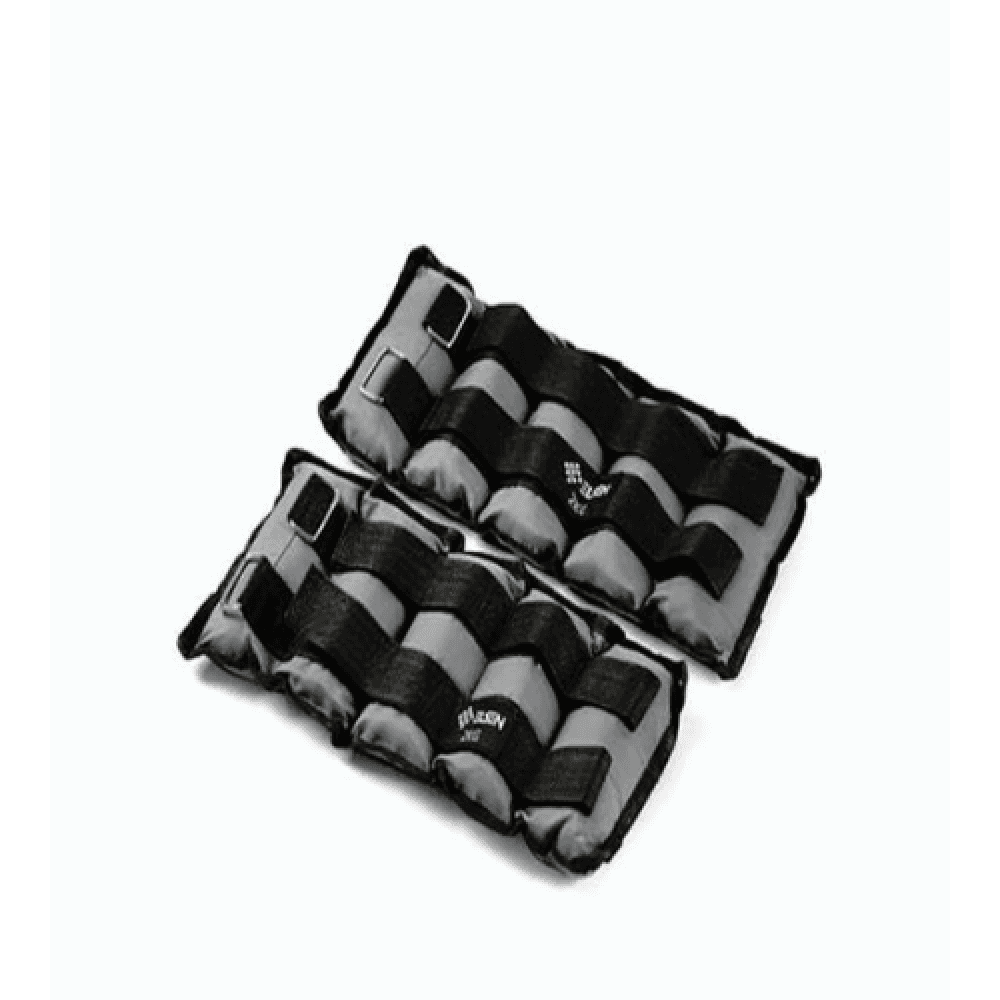
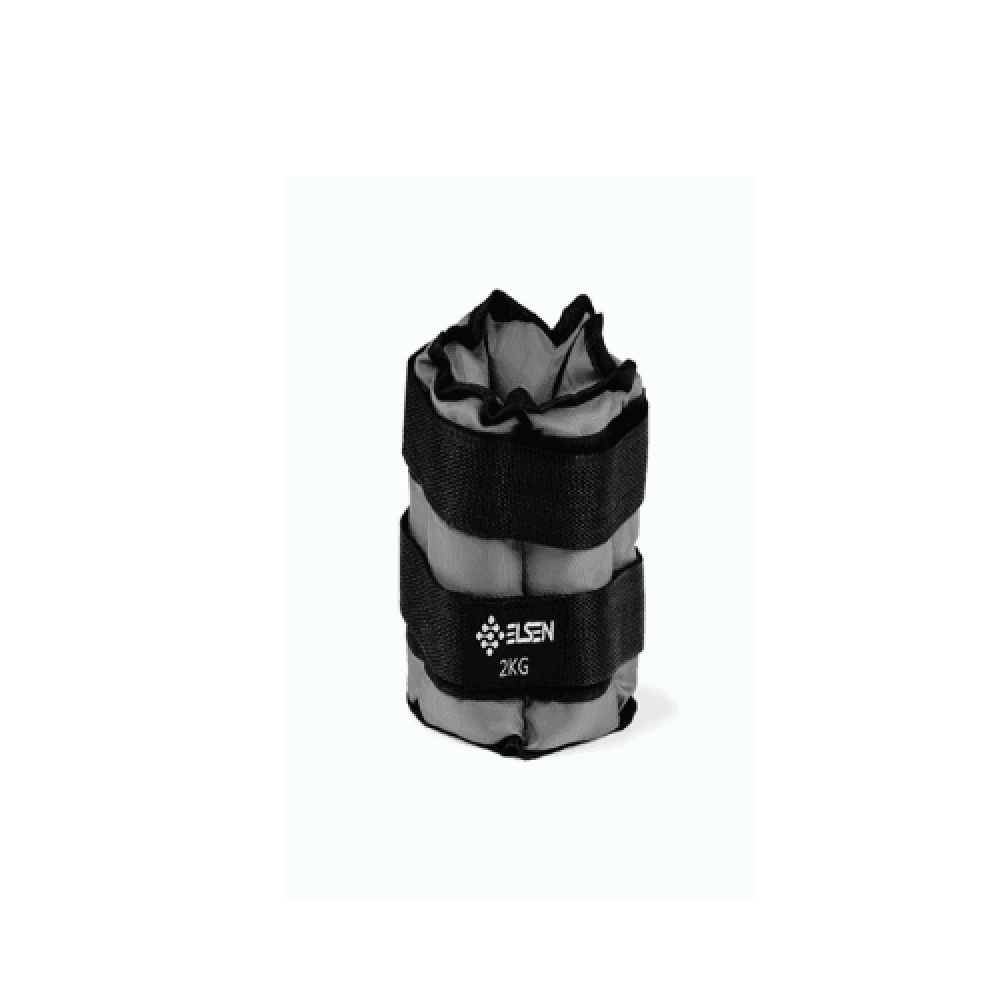
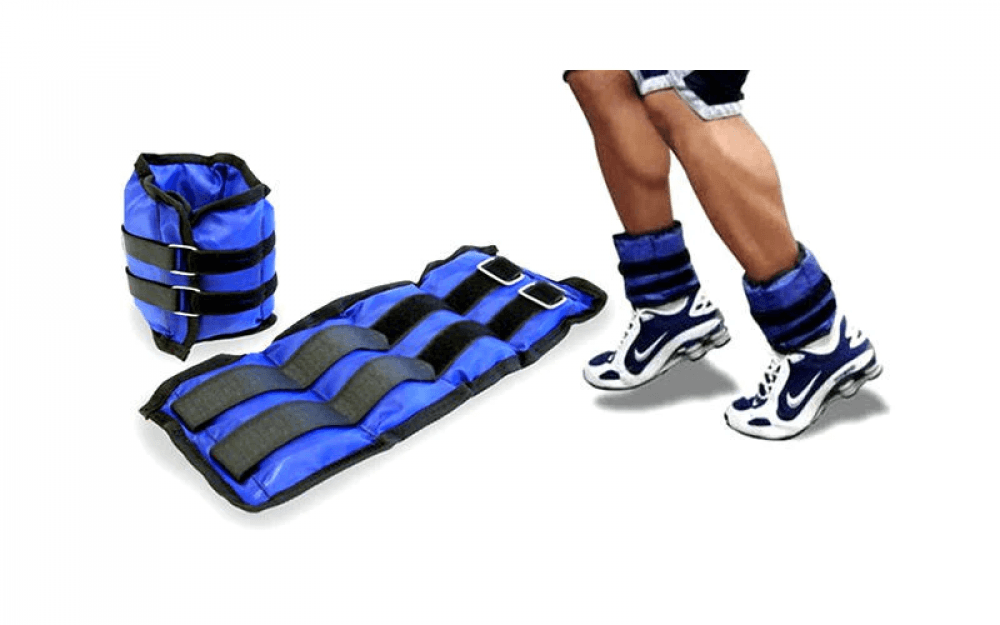
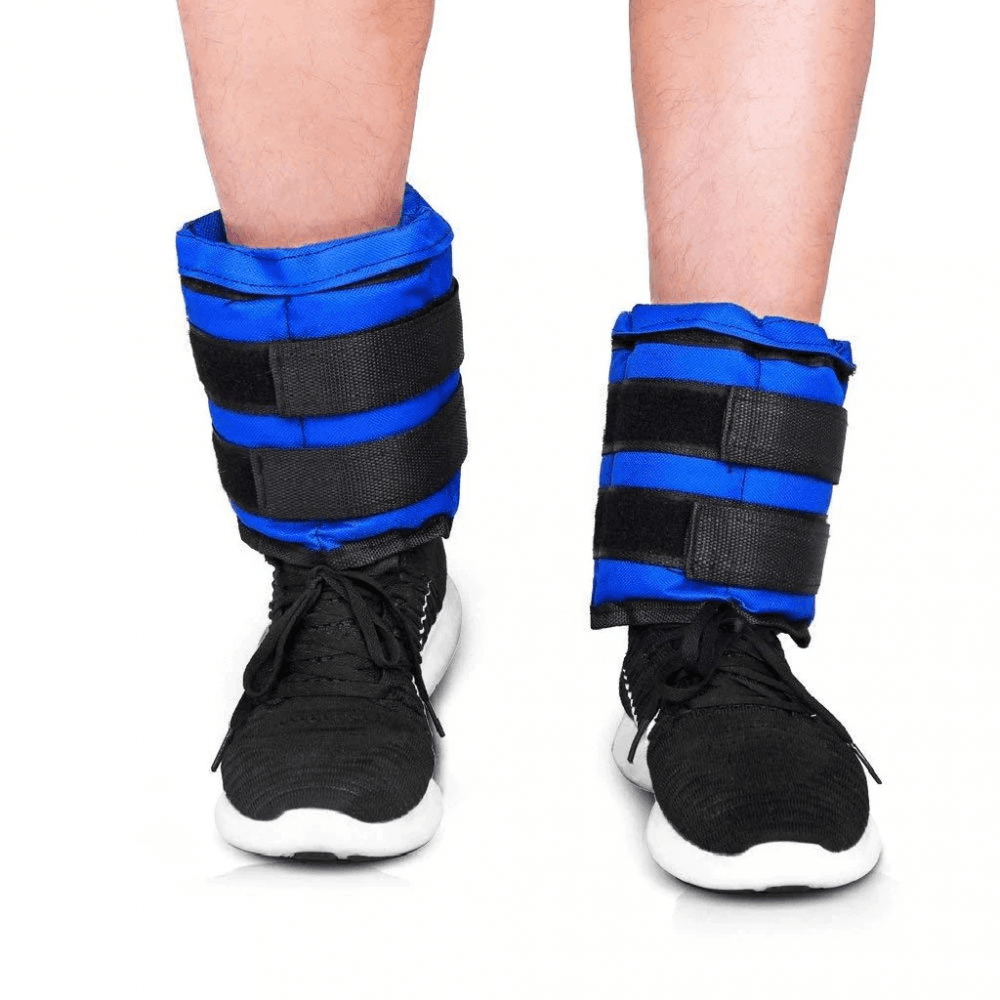
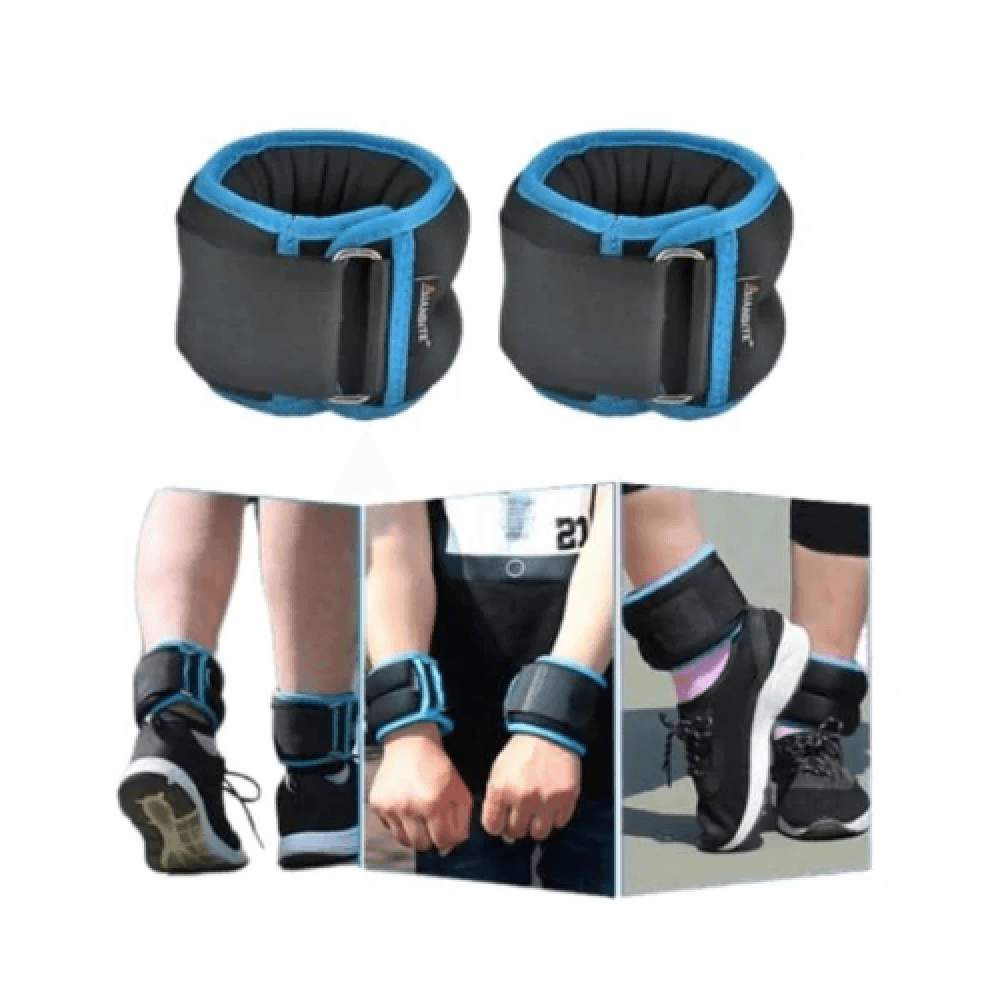
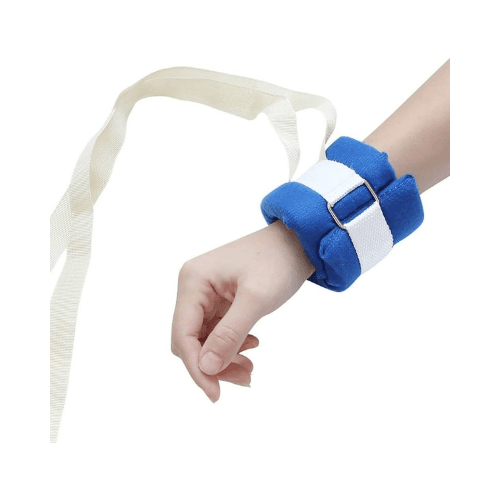
Wrist and ankle sand weights are wearable tools designed to add gradual, light resistance to controlled exercises. They fasten around the wrist or ankle to support strength work, motor control training, and selected physiotherapy and rehabilitation programs, in clinics or at home.
Key features
- Wearable design that secures around the wrist or ankle.
- Adds external resistance during exercises.
- Suitable for strength, endurance, and motor control drills.
- May be used in selected physiotherapy and rehabilitation exercises.
- Appropriate for light, progressive resistance training.
- Equipped with fastening straps to help keep the weight in place during movement.
- Practical for home use, clinics, and physiotherapy centers.
- Available in multiple weight options (selected per product choice).
Typical uses and benefits
Adding a light load increases the resistance muscles work against, supporting goals related to strength, muscular endurance, and movement control.
- Increase exercise resistance for certain arm and leg drills compared to performing them without added weight.
- Lower-limb exercises: attach at the ankle for controlled movements such as leg raises and targeted strengthening, as guided by an appropriate program.
- Upper-limb exercises: use at the wrist for selected arm and shoulder movements when light resistance is needed, especially when a dumbbell is not required.
- Physiotherapy and rehabilitation: can be integrated by a physiotherapist to add graded resistance based on the user’s condition and mobility.
- Sports training: applicable for strength, endurance, and movement drills with suitable weight selection and exercise technique.
Use in physiotherapy
These sand weights are used in some physiotherapy and motor rehabilitation programs to add resistance to specific exercises. The physiotherapist determines the appropriate weight, repetitions, duration, and placement according to the user’s condition and program goals. It is preferable to start light and increase gradually as needed.
Home exercise
Suitable for a variety of low-impact home exercises where the aim is to add resistance to a defined movement.
- Leg raises.
- Strengthening of lower-limb muscles.
- Selected arm and shoulder exercises.
- Movement and motor control drills.
- Functional rehabilitation exercises.
- Light strength training.
- Functional movement training.
Suitable settings and users
A simple tool that can be added to the equipment set for clinics and rehabilitation centers, and also used at home when appropriate.
- Individuals performing light strength exercises.
- Athletes seeking added resistance for selected drills.
- Users following physiotherapy programs.
- People in motor rehabilitation programs.
- Physiotherapy clinics.
- Rehabilitation and day-care centers.
- Appropriate home use for suitable exercises.
How to use
- 1. Choose a weight appropriate to the user’s level and the exercise.
- 2. Fasten the weight around the wrist or ankle using the strap.
- 3. Ensure it is secure without excessive tightness or discomfort.
- 4. Start with simple, controlled movements.
- 5. Increase resistance gradually when needed and when proper technique is maintained.
- 6. Stop if pain, swelling, or a clear change in movement pattern occurs.
Do not select a heavy weight merely to increase difficulty; excessive loading can raise stress on joints and tendons and increase the risk of strain or injury.
Walking with ankle weights
Wearable weights may be used in some movement activities, but using ankle weights during walking or running is not necessarily suitable for everyone. Added weight at the ankle can alter gait and increase load on joints and surrounding tissues. Prefer controlled, specific exercises, and follow physiotherapist guidance when there is injury or motor weakness.
Pediatric use
Light weights can be used in some pediatric motor rehabilitation programs. Weight selection and application must match the child’s age and motor abilities. For children with balance or mobility difficulties or those in rehabilitation, use under physiotherapist supervision is preferred.
Specifications
- Product name: Sand weights for wrist and ankle.
- English name: Wrist & Ankle Weights.
- Product type: Wearable weights.
- Intended use: Exercise, motor training, physiotherapy, and rehabilitation.
- Settings: Home, clinics, physiotherapy and rehabilitation centers.
- Fixation: Adjustable straps to secure around the wrist or ankle.
- Weight options: Multiple options available (per product selection).
- Product number: 004003013210.
FAQs
- Q: What are wrist and ankle sand weights? A: Wearable weights secured around the wrist or ankle to add resistance to selected movements and exercises.
- Q: Are they used in physiotherapy? A: Yes, a physiotherapist may incorporate them into certain rehabilitation programs to add graded resistance.
- Q: Are they suitable for home exercise? A: Yes, for many low-impact home exercises when the correct weight and proper technique are used.
- Q: Can ankle weights be worn all day? A: Not recommended. Use them for appropriate exercises only, as constant use may increase stress on joints and tendons.
- Q: How do I choose the right weight? A: Start light to perform movements correctly without pain or altered mechanics, then increase gradually according to ability and training goals.
- Q: Are they suitable for children? A: They may be used in some pediatric therapy programs with appropriate weight selection and preferably under specialist supervision.