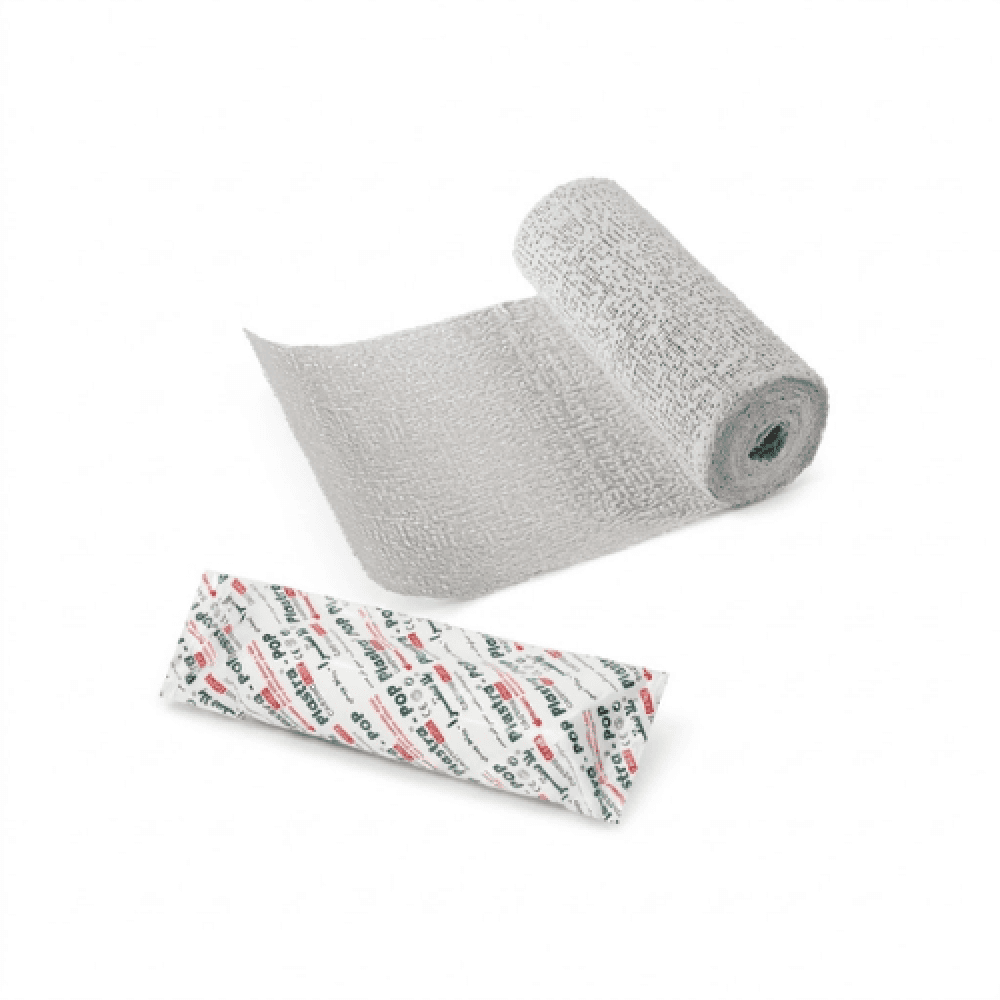
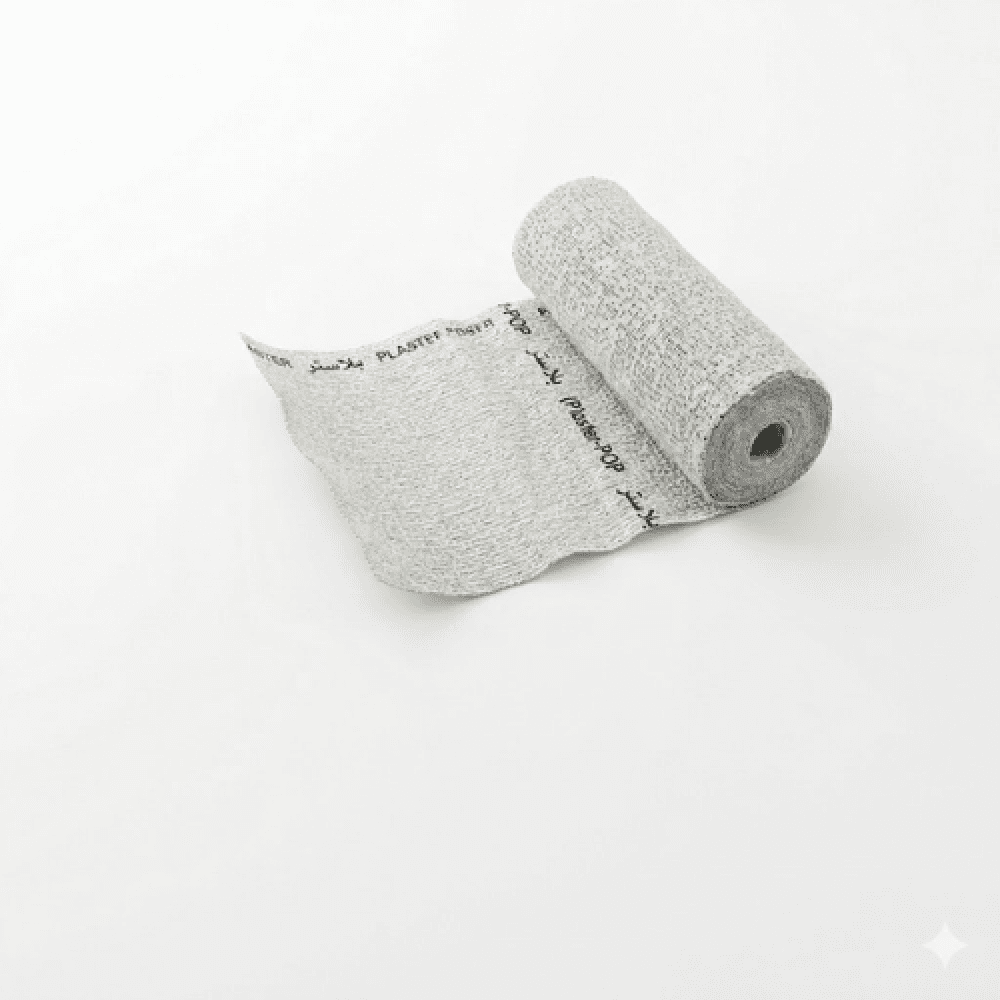
Plaster of Paris Bandage Roll
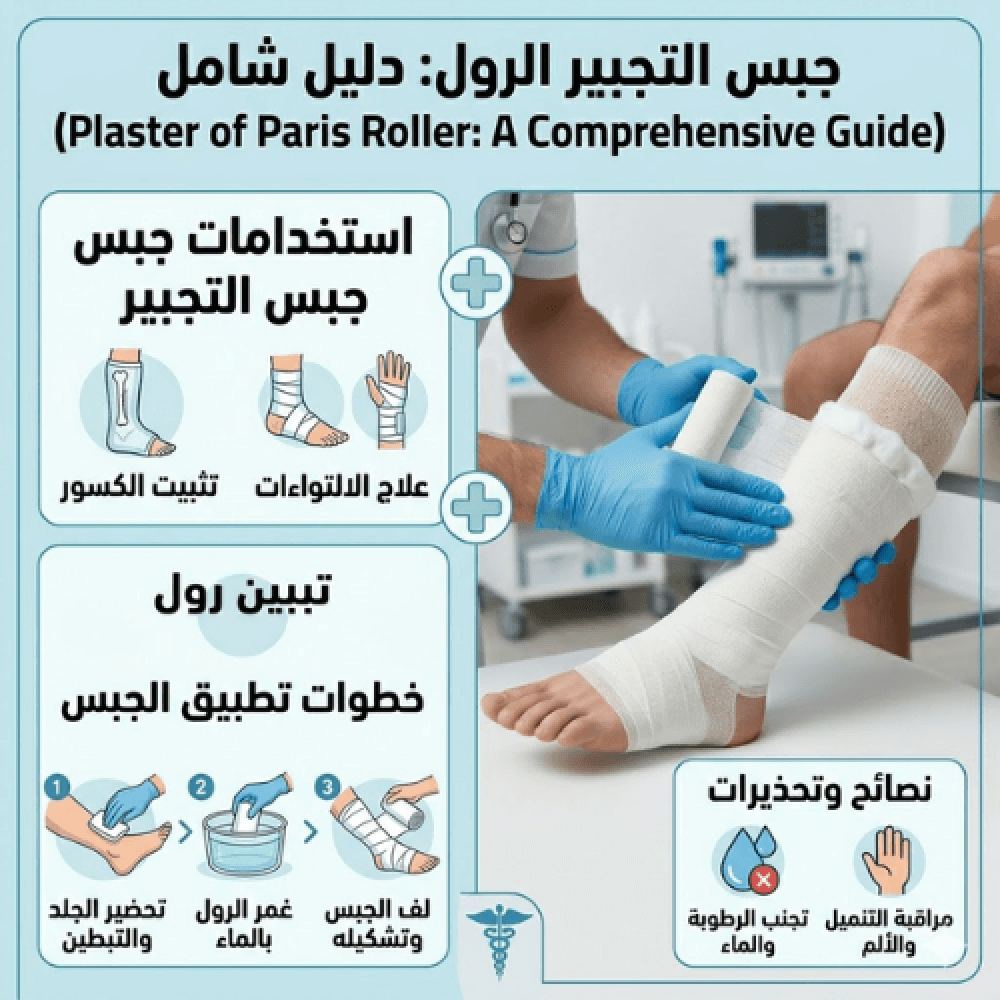
Traditional plaster bandage rolls impregnated with calcium sulfate (plaster). When moistened with water, the bandage becomes pliable for contouring to the injured limb and then hardens to form a rigid support that limits movement.
Indications and uses
- Immobilization of fractures of long bones (e.g., leg and arm) and short bones (e.g., wrist and foot).
- Management of acute sprains, such as grade II and III ankle sprains.
- Support for ligament injuries, providing stability that may allow healing without surgery in some cases.
- Post-operative protection to help prevent movement of plates and screws.
Key features
- Rigid immobilization to help prevent displacement at the fracture site.
- Good conformity to patient anatomy to reduce voids.
- Helps reduce pain by limiting movement of injured structures.
- Cost-effective and widely used in hospitals and clinics.
Patient guidance and precautions
- Avoid moisture: water weakens the cast and may cause skin irritation and unpleasant odors.
- Monitor circulation: seek medical attention promptly if numbness, tingling, or bluish discoloration of the fingers or toes occurs.
- Do not insert objects under the cast to scratch, as this can cause skin injury and infection.
- Use with a protective cotton layer between the cast and skin.
Typical duration of immobilization
- About 3 weeks for simple fractures or ligament sprains.
- Approximately 6 to 8 weeks for larger bone fractures.
- Longer periods for complex fractures or in older adults.
Frequently asked questions
- Walking on a foot cast: wait for physician approval; this typically requires about 48 hours.
- If the cast feels very tight: elevate the limb above heart level; if tightness persists, seek emergency care.