Overview
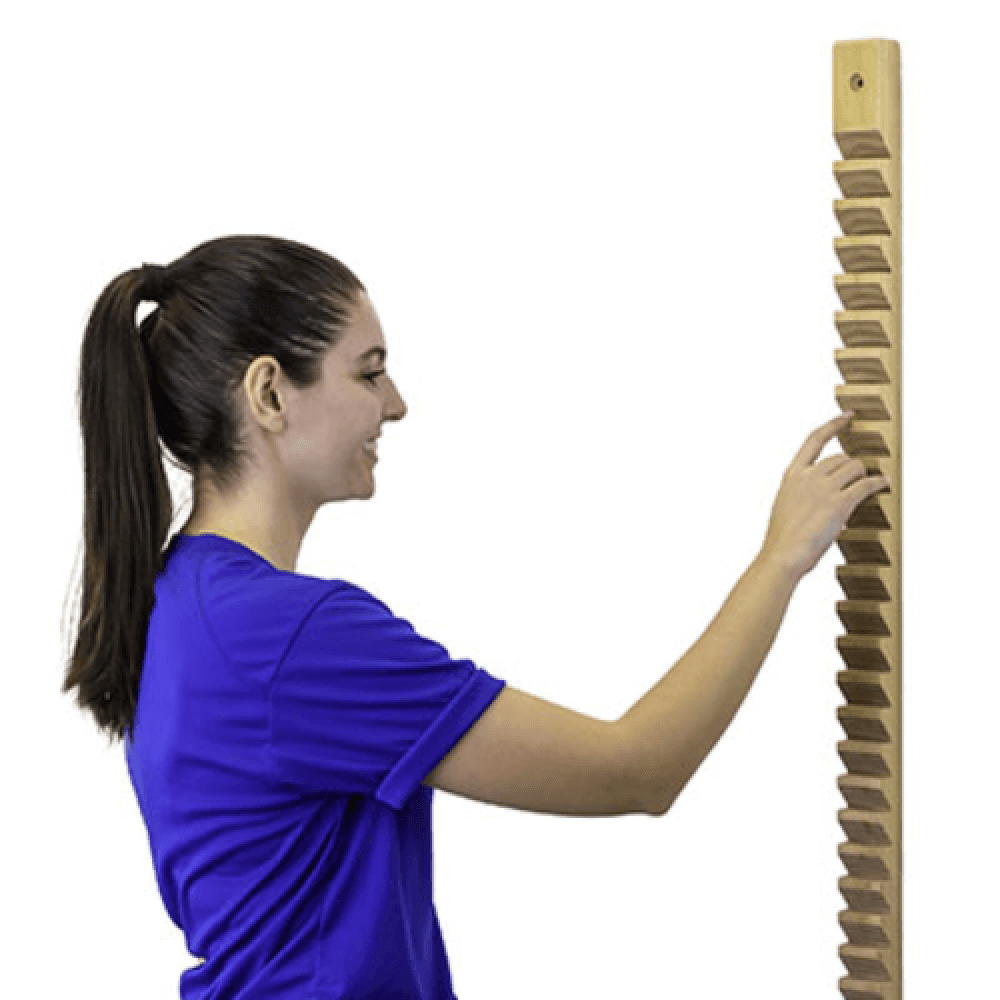
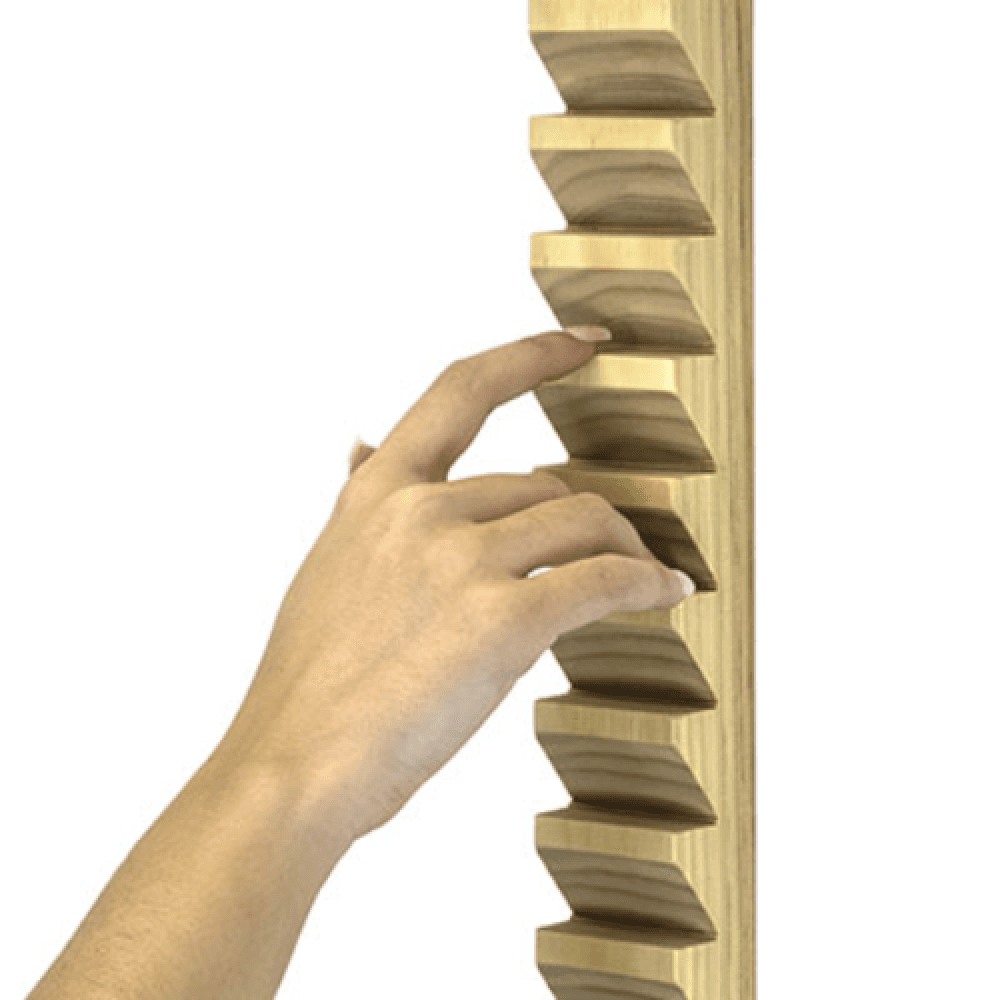
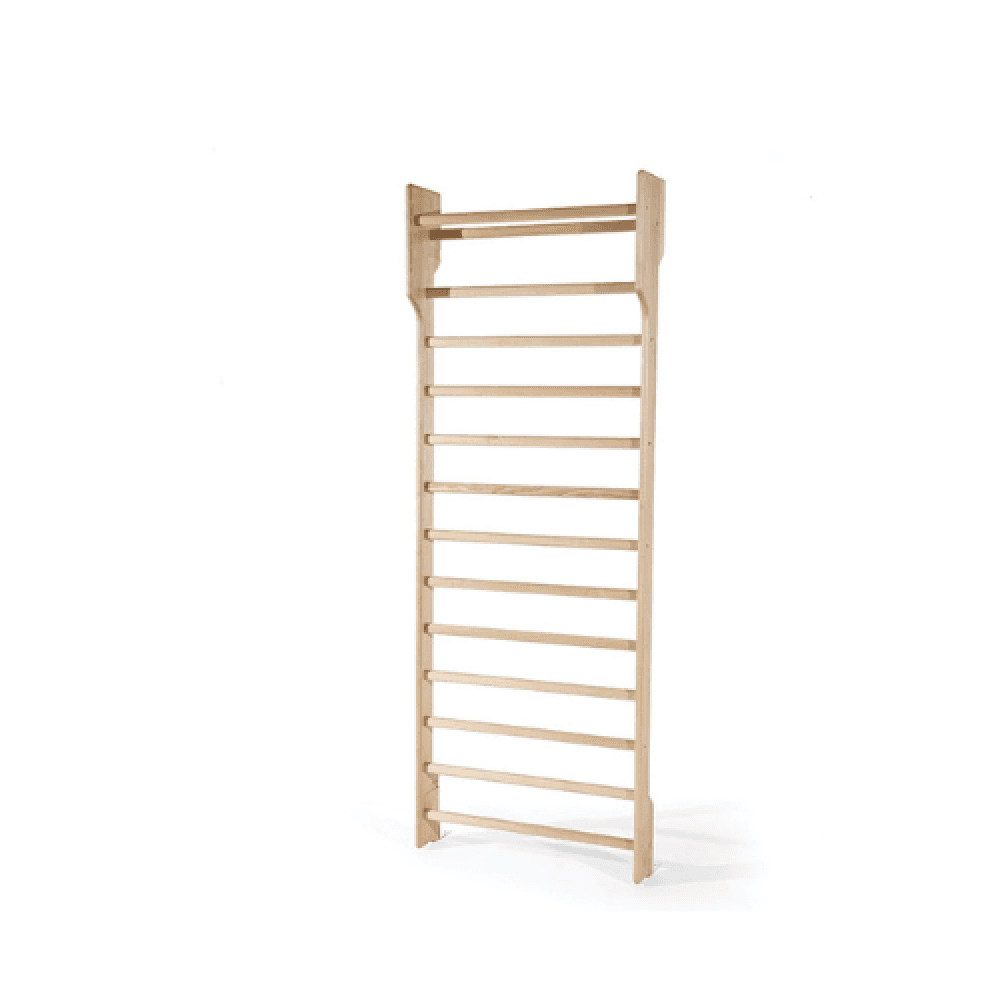
The Finger and Shoulder Ladder is a wall-mounted wooden device designed for progressive range-of-motion training of the upper limb. Its sequential rungs allow graded elevation of the arm while moving the fingers upward, supporting exercises for the shoulder, elbow, wrist, and fingers within therapy and rehabilitation programs.
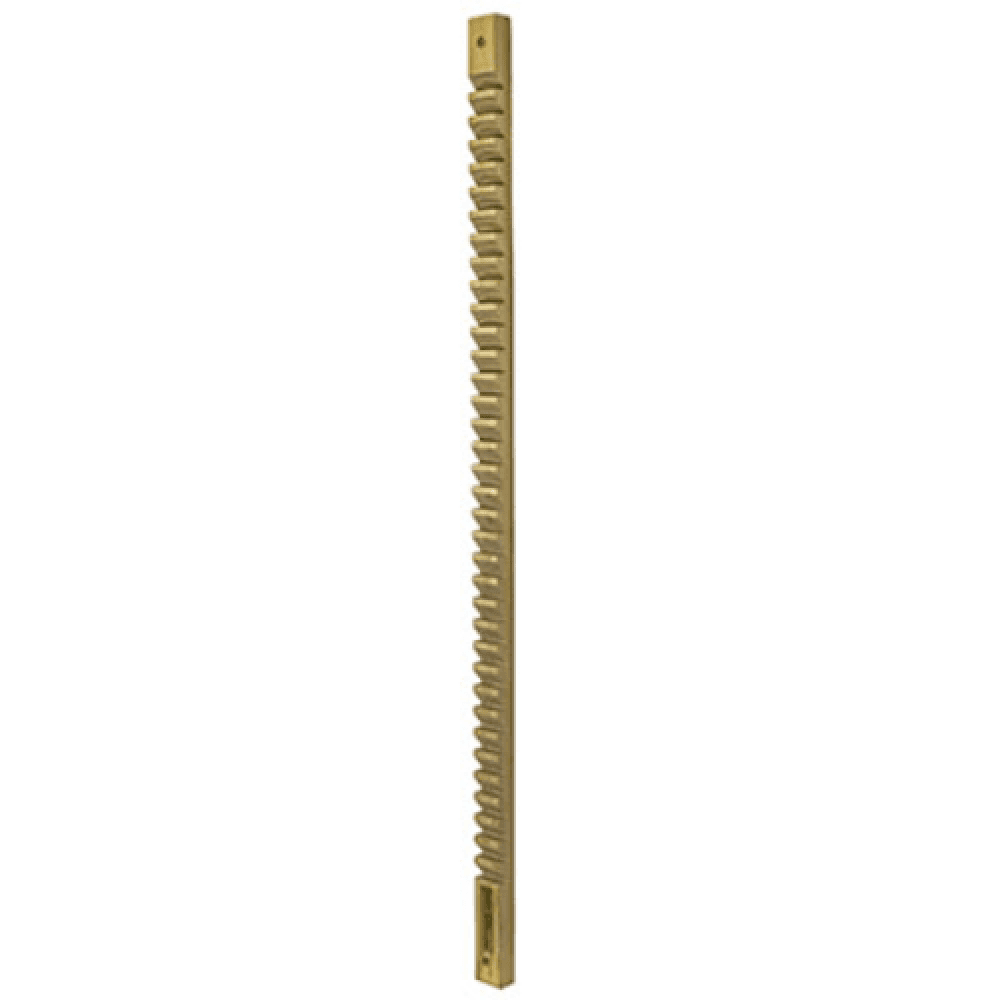
The unit provides 36 rungs with approximately 1.25-inch spacing to facilitate incremental progression. It is suitable for use in physiotherapy clinics, rehabilitation centers, hospitals, and, when clinically appropriate, supervised home rehabilitation programs.
Applications
- Range-of-motion exercises for the shoulder.
- Progressive mobility training for the elbow.
- Wrist and hand mobility exercises.
- Finger and fine-motor progression.
- Graded arm elevation.
- Post-injury and post-operative rehabilitation as directed by a clinician.
- Use within structured physiotherapy and rehabilitation programs.
Benefits
- Graded progression: sequential rungs help divide movement into manageable steps aligned with the rehabilitation plan.
- Range monitoring: rung position provides a clear reference to observe reach and track progress.
- Upper-limb versatility: supports training across shoulder, elbow, wrist, and finger joints.
Features
- Durable wooden construction for regular clinical use.
- Wall-mounted design provides a stable reference point during exercises.
- 36 rungs with approximately 1.25-inch spacing for incremental progression.
- Designed to support training across multiple upper-limb joints.
Specifications
- Product name: Finger and Shoulder Ladder (Wood).
- Material: Wood.
- Number of rungs: 36.
- Rung spacing: Approximately 1.25 inches.
- Dimensions: Approximately 54 × 1 × 2 inches (overall length about 54 inches; cross-section about 1 × 2 inches).
- Weight: Approximately 4 lb.
- Mounting: Wall-mounted.
- Primary use: Progressive range-of-motion exercises for the shoulder, elbow, wrist, and fingers.
Installation and use guidance
- Install securely on a suitable wall capable of supporting use.
- Follow the exercise plan prescribed for the individual case.
- Do not exceed the recommended range of motion.
- Progress gradually; avoid forceful or jerky movements.
- After injury or surgery, follow the clinician’s instructions.
- Inspect the ladder and mounting periodically.
- Stop exercise and consult a clinician if unusual pain or worsening symptoms occur.
Suitable environments
- Physiotherapy clinics.
- Rehabilitation centers.
- Hospitals.
- Care and rehabilitation facilities.
- Appropriate home-based rehabilitation programs.
- Movement training facilities.